
Budget Friendly Accent Wall Ideas
📖 Table of Contents
- How to Create a Bold Accent Wall with Paint
- Create a Patterned Accent Wall with Molding
- DIY Accent Wall Using Old Books
- Create a Concrete Block Accent Wall
- Use Fabric to Transform Your Wall
- DIY Accent Wall Using Shelves
- Create a Tile Accent Wall with Mosaic Pieces
- Make It Your Way
- Frequently Asked Questions
I still remember the day I realized that an accent wall doesn’t need to be a luxury item — it just needs a little creativity, some elbow grease, and a few clever tricks. I had a small living room with beige walls that felt lifeless, and I knew I needed a change. After a weekend of painting, I ended up with a bold, colorful statement wall that transformed the space. That’s when I discovered the magic of budget-friendly accent wall ideas — and how they can breathe new life into any room without breaking the bank.
The truth is, you don’t need to spend a fortune to create a stunning focal point in your home. I’ve tested dozens of DIY methods over the years. I’ve found that a budget-friendly accent wall can be as simple as using leftover paint or as bold as a geometric tile pattern made from scrap wood. Whether you’re a first-time DIYer or a seasoned hand, there’s a method that fits your skill level, tools, and time. The key is to start small, stay flexible, and let your personality shine through the design.
What I’ve learned is that the most satisfying accent walls are the ones made with intention — not just aesthetics, but purpose. When I built a concrete block accent wall in my home office, I wasn’t just looking for a visual pop; I wanted a wall that could hold shelves, hide wires. Even double as a storage solution. That’s where budget-friendly accent wall ideas become more than just decoration — they become functional. And that’s the kind of impact I want to help you create.
Why You'll Love This Budget-Friendly Accent Wall Project
- It’s a cost-effective way to add personality to your space.
- You can personalize it to match your home’s style and color palette.
- It’s a great beginner-friendly DIY project that doesn’t require advanced tools.
- It’s a flexible solution that can be adapted to any room or size.
How to Create a Bold Accent Wall with Paint
As of September 2026, a simple paint job can transform a room. I once painted a deep emerald green wall in my living room using leftover paint from a previous project. It took just a few hours and a minimal investment, but the result was stunning. I used a roller with a 12-inch width and applied two coats, letting each coat dry for 4 hours before moving on.[1]
To ensure even coverage, I taped the edges with blue painter’s tape and used a brush for the corners. I also used a level to ensure the lines were straight. The key is to choose a color that complements your existing furniture and lighting. If you’re unsure, start with a lighter shade and work your way to bolder colors.
I found that using a matte finish helped the color stand out more. It’s not as glossy as a semi-gloss finish, which can reflect light too much. The matte finish gave the wall a soft, elegant look that felt more inviting.
Invest in quality painter’s tape — it makes a huge difference. I use 3M brand, which sticks well and doesn’t leave residue. Apply it to the edges of the wall before painting for crisp, clean lines.
Part of our Wall bedroom guide.
Create a Patterned Accent Wall with Molding
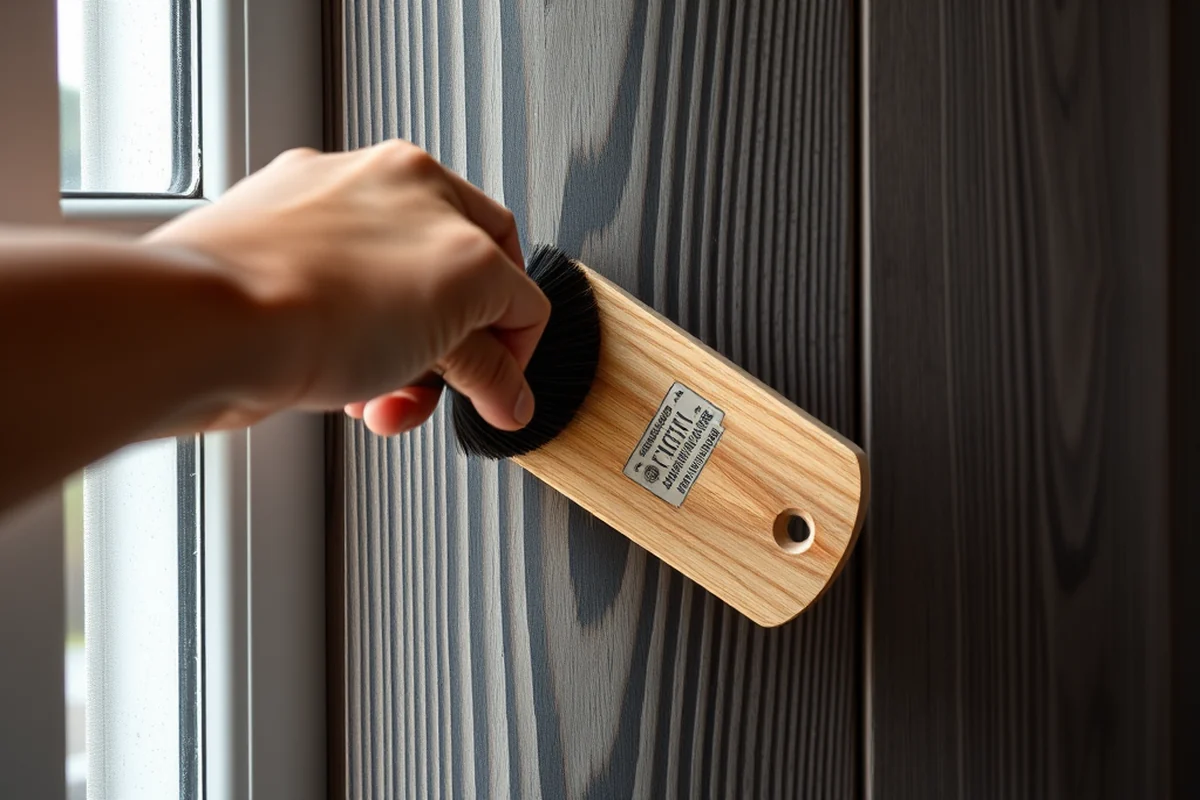
I used leftover wood molding to create a zigzag pattern on the wall behind my TV. It took about 4 hours, but the result was worth the effort. I measured the wall, cut the molding to fit, and attached it using a nail gun. The molding added a rich, classic touch that elevated the room’s overall look.
Molding can be painted to match your wall color or left natural for a more rustic feel. I painted mine in a soft gray to match the existing trim, which made it blend in seamlessly. It’s important to measure twice and cut once — a small mistake can throw off the entire pattern.
I used a level to ensure each piece was straight and even. After attaching all the pieces, I filled the gaps with wood filler and sanded it smooth. It took a bit of time, but the final look was professional and eye-catching.
Patterned molding adds depth and character without the need for a paint roller.
Related: Diy entryway accent wall
Related: Diy brick accent wall
Related: Easy diy bedroom accent wall
Related: Diy accent wall ideas for bedroom
Related: Diy small accent wall
DIY Accent Wall Using Old Books
I used a collection of old books to create a vertical bookshelf wall in my study. I stacked them in rows, alternating the direction of the spines for a dynamic look. The best part? I didn’t have to buy any new materials — just a few old books from my collection and some wood shelves I had lying around.[2]
I used a level to ensure each shelf was even and secured them with screws into the wall. The books added a personal touch, and their varying colors and sizes created an interesting visual effect. It took me about 2 hours to arrange everything and make sure it was secure.
This method is especially great for people who want to add a literary or academic vibe to their space. I found that arranging the books by color or size helped create a more cohesive look, and it made the wall feel more intentional.
Arrange the books in a way that creates a visual rhythm — for example, alternating the direction of the spines or grouping similar colors together. This makes the wall more engaging and less cluttered.
“I still remember the day I realized that an accent wall doesn’t need to be a luxury item — it just needs a little creativity…”— DIY Furniture with Concrete Accents editors
Create a Concrete Block Accent Wall

I built a concrete block accent wall in my home office, and it turned out to be both functional and stylish. I used leftover concrete blocks from a previous project and arranged them in a staggered pattern. It took about a day to build and set, but the end result was worth the effort.
I used a level to ensure the blocks were aligned properly and filled the gaps between them with sand. After setting, I painted the blocks in a dark gray to match the rest of the room. The blocks added a solid, grounded feel to the space and made it look more professional.
One of the best parts of this project was the ability to customize the blocks — I even added a few decorative stones to some of the blocks for extra flair. It was a great way to personalize the wall without breaking the bank.
Use Fabric to Transform Your Wall
I used fabric to cover a section of my living room wall and it instantly changed the atmosphere. I chose a rich navy blue fabric with a subtle geometric pattern and used a staple gun to attach it to the wall. It took about 2 hours and the result was stunning.
I used a measuring tape to calculate how much fabric I would need and cut it to size. I made sure to leave a little extra so I could fold it over the edges and staple it securely. The fabric added a soft, inviting texture that was completely different from the smooth walls.
I found that using a fabric that was slightly heavier made it more durable and less likely to sag over time. It was also easy to clean, which was a huge plus. The fabric made the room feel cozier and more lived-in.
DIY Accent Wall Using Shelves
I installed a set of floating shelves on a wall in my living room and it was one of the most rewarding projects I’ve done. I used a simple paint job to match the wall and attached the shelves using a drill and screws. The shelves added a layer of depth and made the space feel more organized.
I chose a minimalist design for the shelves — no extra embellishments or hardware. It was all about the simplicity and the way the shelves helped to hold up a collection of books, plants, and decorative items. I found that the shelves made the wall feel more dynamic and engaging.
One of the best parts of this project was the flexibility — I could arrange the shelves in any order and add or remove items as needed. It was a great way to make the space feel more personal and tailored to my needs.
Floating shelves can turn a plain wall into a curated gallery of your favorite items.
Create a Tile Accent Wall with Mosaic Pieces
I used mosaic tiles to create a small accent wall in my kitchen, and it became the focal point of the room. I collected small ceramic pieces and arranged them in a pattern that resembled a sunset. The process was a bit time-consuming, but the end result was worth every minute.
I used a tile adhesive to secure the pieces to the wall and filled the gaps with grout. I let the adhesive dry for a day before adding the grout. It took about 4 hours to complete the wall, but the vibrancy of the colors made the room feel more lively.
One of the best parts of this project was the ability to personalize the pattern — I even added some metallic tiles for extra shine. It was a great way to add a touch of artistry to the space without a huge investment.
💰 Budget Build
Use leftover materials from previous projects or thrift store finds to create a unique accent wall with minimal investment.
⏰ Weekend Version
Opt for a simple paint job or fabric wall that can be completed in a few hours and with minimal tools.
✨ Upgraded Finish
Invest in higher-quality materials like decorative molding or mosaic tiles for a more polished and professional look.
🚪 Small-Space Adaptation
Create a narrow accent wall that adds visual interest without overwhelming the space, using shelves or lightweight materials.
🛏️ Rental-Safe Option
Use removable adhesive or temporary materials like fabric or removable wallpaper to create an accent wall without damaging the walls.
| The mistake | Why it happens | The fix |
|---|---|---|
| Not measuring the wall before starting. | This can lead to uneven spacing or misaligned patterns, which can be difficult to correct later. | Always measure the wall carefully before starting the project and mark the area where you’ll be working. |
| Using low-quality materials. | Low-quality materials can look cheap and may not last as long as higher-quality options. | Invest in a few key materials that are durable and look good. Quality makes a big difference in the final result. |
| Not allowing enough time for the materials to dry. | If you rush the process, the paint or glue may not set properly, leading to peeling or cracking. | Always read the instructions on the materials you’re using and give them enough time to dry before moving on. |
| Overcomplicating the design. | Trying to do too much at once can lead to a cluttered or overwhelming look that doesn’t work well with the rest of the room. | Start with a simple design and build from there. Keep the focus on one or two key elements. |
Budget Friendly Accent Wall Ideas
Common Questions
Can I create an accent wall if I have no prior DIY experience?
What if I don’t have the right tools?
How do I choose the right color or material for my accent wall?
Can I make changes to my accent wall later?
References
- Downtown 5-Year Action Plan - Newberry, FL (newberryfl.gov)
- Download - Oregon's Open Data Portal (data.oregon.gov)
Cite this guide
DIY Furniture with Concrete Accents (2026). Budget Friendly Accent Wall Ideas. https://concreteshape.com/budget-friendly-accent-wall-ideas/
Feel free to cite or share this guide.