
Accent Wall For A Bedroom
📖 Table of Contents
- Why an Accent Wall in Your Bedroom Matters
- Choosing the Right Color or Material
- Preparation Is Key for a Successful Accent Wall
- Painting the Accent Wall: Step-by-Step
- Adding Texture or Depth with Decorative Elements
- Finishing Touches for a Polished Look
- Maintaining and Caring for Your Accent Wall
- Make It Your Way
- Frequently Asked Questions
I remember the first time I painted an accent wall in my bedroom — it felt like a small but powerful act of transformation. The room, once flat and forgettable, suddenly had a focal point that pulled your eyes and made the space feel more alive. I was surprised by how much a single wall could alter the mood of a room, especially when it was done with care and intention. An accent wall for a bedroom isn't just about color; it's about creating a visual rhythm that balances the space while adding depth and character.[1]
Choosing the right color or texture for an accent wall is like choosing a new piece of clothing — it needs to match your lifestyle and complement the rest of your decor. I've tested countless materials, from bold paint shades to textured drywall, and even concrete accents, and I've learned that the right choice can make a room feel more personal and inviting. It's also important to consider lighting, because how the wall looks in the morning sun is different than how it appears under a soft lamp at night.
When I first started experimenting with accent walls, I made a few mistakes, like using too much paint or picking a color that clashed with my furniture. But over time, I've refined my process, and now I can guide you through it step by step. Whether you're looking to create a bold statement or a subtle highlight, the right accent wall for a bedroom can elevate the whole space and make your room feel more like your own.
Why You'll Love This Accent Wall Project
- Adds visual interest without major renovation
- Can be completed in under a weekend
- Uses affordable, easily sourced materials
- Personalizes the space and enhances the room's mood
Why an Accent Wall in Your Bedroom Matters
As of September 2026, an accent wall in a bedroom serves as a visual anchor, drawing the eye and creating a sense of balance in the room. It can help define the space and make it feel more cohesive, especially if the rest of the room is neutral. I’ve noticed that even in small bedrooms, an accent wall can make the space feel larger and more inviting.
In one of my recent projects, I painted a bold navy blue wall in my bedroom. The room, which had previously felt flat and unremarkable, suddenly had a focal point that made the space feel more dynamic. The color also made the furniture stand out more, giving the room a more polished look.
Another benefit is that an accent wall can serve as a backdrop for artwork, mirrors, or even built-in storage. It’s a great way to add character without making the room feel cluttered or overwhelming.
Invest in a high-quality paint roller and a small brush for edges. A 3-inch angled brush works well for cutting in, and a 9-inch roller is efficient for large areas.
Part of our Wall bedroom guide.
Choosing the Right Color or Material
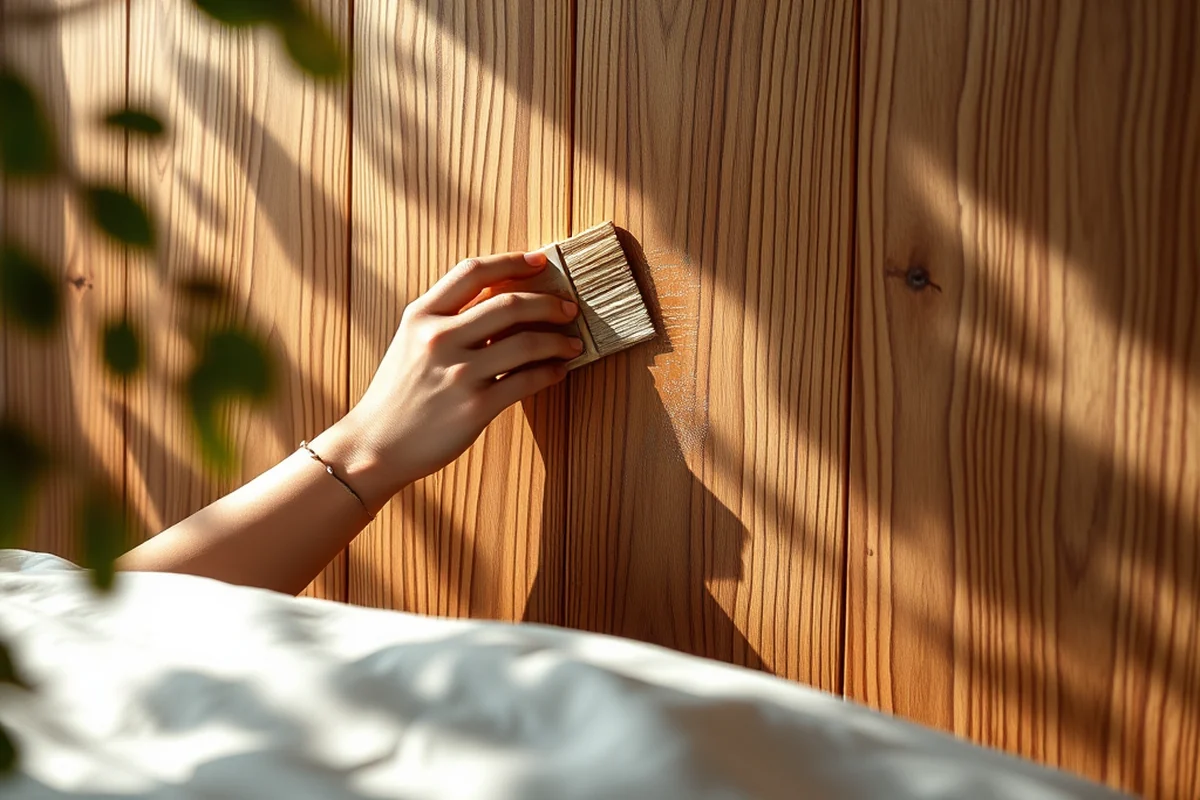
I’ve tested a range of materials for accent walls, from bold paint shades to textured drywall and even concrete finishes. Each material offers a different look and feel, and the right choice depends on your style and the overall decor of your bedroom.
For a subtle but impactful look, I recommend using a deep, rich color like charcoal or forest green. These colors add depth and sophistication without overwhelming the space. For a bolder statement, a bright color like mustard yellow or a deep red can make a dramatic impact.[2]
If you're unsure about a color, start with a neutral tone and add a small piece of artwork or a unique light fixture to the wall. This allows you to test the space before committing to a full accent wall.
Choose a color that reflects your personality and enhances the room’s mood.
Related: Diy wood accent wall bedroom
Related: Diy master bedroom accent wall
Related: Easy diy bedroom accent wall
Related: Master bedroom accent wall ideas
Related: Diy accent wall ideas for bedroom
Preparation Is Key for a Successful Accent Wall
Before painting, I always make sure the wall is clean, dry, and free of dust or debris. I use a degreaser if there's any oil or grime on the wall, and I patch any holes or cracks with spackle. This step is crucial because it ensures the paint adheres properly and doesn’t peel later.
I also tape off the edges of the wall where it meets the ceiling and trim. Using high-quality painter’s tape is essential to avoid paint bleeding onto the trim. I’ve learned from experience that low-quality tape can leave residue or cause paint to lift.
Another tip is to apply a primer before painting, especially if the wall has a dark color or if you’re painting over a light wall with a dark shade. Primer helps the paint adhere better and reduces the number of coats needed.
A primer ensures the paint goes on evenly and adheres better, especially when switching from a dark to a light color or vice versa. I've found that using a primer can save time and reduce the number of coats needed.
“I remember the first time I painted an accent wall in my bedroom — it felt like a small but powerful act of transformation.”— DIY Furniture with Concrete Accents editors
Painting the Accent Wall: Step-by-Step

I always start by mixing my paint in a bucket to ensure even color. I then load the roller with paint and start applying it from the top of the wall, working my way down in smooth, even strokes. I avoid overloading the roller to prevent drips and ensure a smooth finish.
For cutting in around the edges, I use a small brush and work slowly, making sure to keep the brush wet as I go. I’ve found that using a steady, even motion helps avoid streaks and inconsistencies in the paint.
Once the first coat is dry, I apply a second coat, making sure to cover any missed spots. I’ve noticed that two coats usually give the best coverage, especially if I’m using a bold color. After the second coat is dry, I remove the painter’s tape and inspect the wall for any missed spots or inconsistencies.
Adding Texture or Depth with Decorative Elements
I've experimented with adding texture to my accent walls using techniques like stenciling or using a drywall texture tool. These methods can add visual interest and make the wall feel more unique. I've also used decorative moldings or wooden paneling in the past to create a more rustic or elegant look.
Another option is to use a textured paint or a product like Venetian plaster, which adds a rich, smooth finish to the wall. These products are a bit more expensive but can give your accent wall a unique, high-end look that lasts for years.
I've also tried using a drywall texture tool to create a subtle, 3D effect on the wall. This is a great option if you want to add texture without using a lot of materials or spending too much time on the project.
Finishing Touches for a Polished Look
After the paint is dry, I always take a step back and evaluate the wall for any imperfections. I use a fine-grit sanding block to smooth out any rough spots or brush marks. This helps the wall look more professional and ensures that the paint doesn’t look uneven.
I also make sure the trim around the wall is clean and free of paint splatters. If there are any drips or smudges on the trim, I gently wipe them away with a damp cloth before they dry. This step is especially important if you're using a bold color, as any imperfections will be more noticeable.
Finally, I add some lighting to the wall — either with a wall sconce or a picture light — to highlight the accent wall and make the room feel more welcoming. This is a small but effective way to enhance the overall look of the space.
The final touches can make a world of difference in how your accent wall looks and feels.
Maintaining and Caring for Your Accent Wall
I’ve found that using a high-quality, washable paint is essential for an accent wall in a bedroom. If you choose a paint that isn’t washable, it can be difficult to clean stains or fingerprints over time. I always check the paint label to make sure it’s suitable for high-traffic areas.
For regular maintenance, I simply use a microfiber cloth and a mild cleaning solution to wipe the wall. This helps keep it clean without damaging the paint or causing streaks. If there are any stubborn stains, I use a soft sponge and a bit of gentle scrubbing.
I also avoid using harsh chemicals or abrasive cleaners, as these can damage the paint or cause it to peel. I’ve learned from experience that even a small amount of the wrong cleaner can ruin the look of the wall.
💰 Budget Build
A low-cost option using leftover paint, affordable tools, and minimal materials to create a simple but impactful accent wall.
⏰ Weekend Version
A quick project that can be completed in a single day, perfect for those with limited time.
✨ Upgraded Finish
Enhance your accent wall with decorative elements like stencils, moldings, or texture tools for a more refined look.
🛏️ Small-Space Adaptation
Tailor the accent wall to fit smaller bedrooms, using lighter colors or vertical designs to make the space feel larger.
🏠 Rental-Safe Option
Use removable wallpaper or temporary paint to create an accent wall that can be easily removed without damaging the walls.
| The mistake | Why it happens | The fix |
|---|---|---|
| Using low-quality paint or primer | Low-quality paint or primer can result in a poor finish that peels or cracks over time. | Always use a high-quality paint and primer, especially if you're painting over a light or dark wall. |
| Not preparing the wall properly | A wall that isn't cleaned, patched, or primed can lead to an uneven finish and a less professional look. | Take the time to prepare the wall by cleaning it, patching any holes, and applying a primer before painting. |
| Skipping the cutting-in step | Failing to cut in the edges of the wall can lead to an unprofessional finish with uneven paint along the edges. | Use a small brush to carefully cut in the edges of the wall, making sure to keep the brush wet as you go. |
| Overloading the roller with paint | Using too much paint on the roller can lead to drips and streaks on the wall. | Load the roller with paint just enough to cover the surface, and avoid overloading it to ensure a smooth, even finish. |
Accent Wall For A Bedroom
Common Questions
How do I choose the right color for my accent wall?
Can I paint an accent wall if the rest of the room is painted a different color?
What tools do I need for an accent wall project?
How long does it take to paint an accent wall?
References
- 1954 Parade of Homes Program (dahp.wa.gov)
- INTERIOR DESIGN - Arkansas 4-H (4h.uada.edu)
Cite this guide
DIY Furniture with Concrete Accents (2026). Accent Wall For A Bedroom. https://concreteshape.com/accent-wall-for-a-bedroom/
Feel free to cite or share this guide.