
Diy Accent Wall Paint Ideas
📖 Table of Contents
- How to Choose the Right Paint for Your Accent Wall
- Creating a Striped Accent Wall with Painter’s Tape
- The Ombre Effect: A Subtle Way to Add Depth
- Using Stencils for a Custom Design
- Creating a Geometric Accent Wall with a Grid Pattern
- Using a Paint Roller for a Textured Accent Wall
- DIY Accent Wall with a Two-Tone Design
- Make It Your Way
- Frequently Asked Questions
I remember the first time I painted an accent wall — it was in my living room, and I had no idea where to start. My goal was to add some visual interest without overcomplicating the space. It took me a weekend, a few cans of paint, and a roll of painter’s tape, but the result was transformative. That wall became the room’s focal point, and it taught me how powerful a well-placed accent wall can be. If you're wondering how to create a striking DIY accent wall with paint, you're not alone — and the good news is, it's easier than you think.[1]
DIY accent wall paint ideas don’t have to be overwhelming. The key is to choose a technique and color that complement your space. I’ve experimented with everything from bold stripes to subtle ombre effects, and each project taught me something new. I found that even a simple two-tone wall can completely change the mood of a room. With the right tools, materials and a little patience, you can achieve a professional look without breaking the bank or spending a weekend in the hardware store.[2]
I’ve since painted accent walls in multiple rooms of my home — a bedroom with a geometric pattern, a kitchen with a subtle gradient, and even a hallway with a modern abstract design. Each project had its own challenges, but the end result was always worth it. Whether you're a seasoned DIYer or just starting out, there's a technique that will work for you. Let me walk you through some of the most effective and creative DIY accent wall paint ideas that have worked for me and many of my readers.
Why You'll Love This DIY Accent Wall Paint Project
- Enhance your home’s aesthetic without major renovations
- Create a focal point that matches your personal style
- Save money compared to hiring a professional
- Personalize your space with unique, hand-painted designs
How to Choose the Right Paint for Your Accent Wall
As of August 2026, when I first painted my living room accent wall, I used a flat sheen paint, but it looked dull in the afternoon sun. I learned that semi-gloss or eggshell finishes offer better light reflection and are easier to clean — ideal for high-traffic areas. For a bedroom, I used a matte finish to keep the space feeling cozy and soft. Always test the paint on a small section of the wall first to see how it interacts with your room’s lighting and color scheme.
Color selection is equally important. I found that a rich navy blue or a deep emerald green adds drama, while a soft pastel can create a more relaxed vibe. I recommend using a color wheel to find complementary shades or even using online tools to visualize how different colors would look in your room. If you're unsure, start with a neutral tone that can be accented with decor or other painted elements.
Don’t forget about durability. If the wall is in a high-traffic area like a hallway or kitchen, opt for a paint that's resistant to scuffing and staining. I’ve used a semi-gloss paint in my kitchen, and it has held up surprisingly well despite daily use. It’s a small investment that makes a big difference in the long run.
Before committing to a color, use a paint sample kit to test the color in your home under different lighting conditions. This helps ensure the color looks great in all types of light.
Part of our Wood accent guide.
Creating a Striped Accent Wall with Painter’s Tape
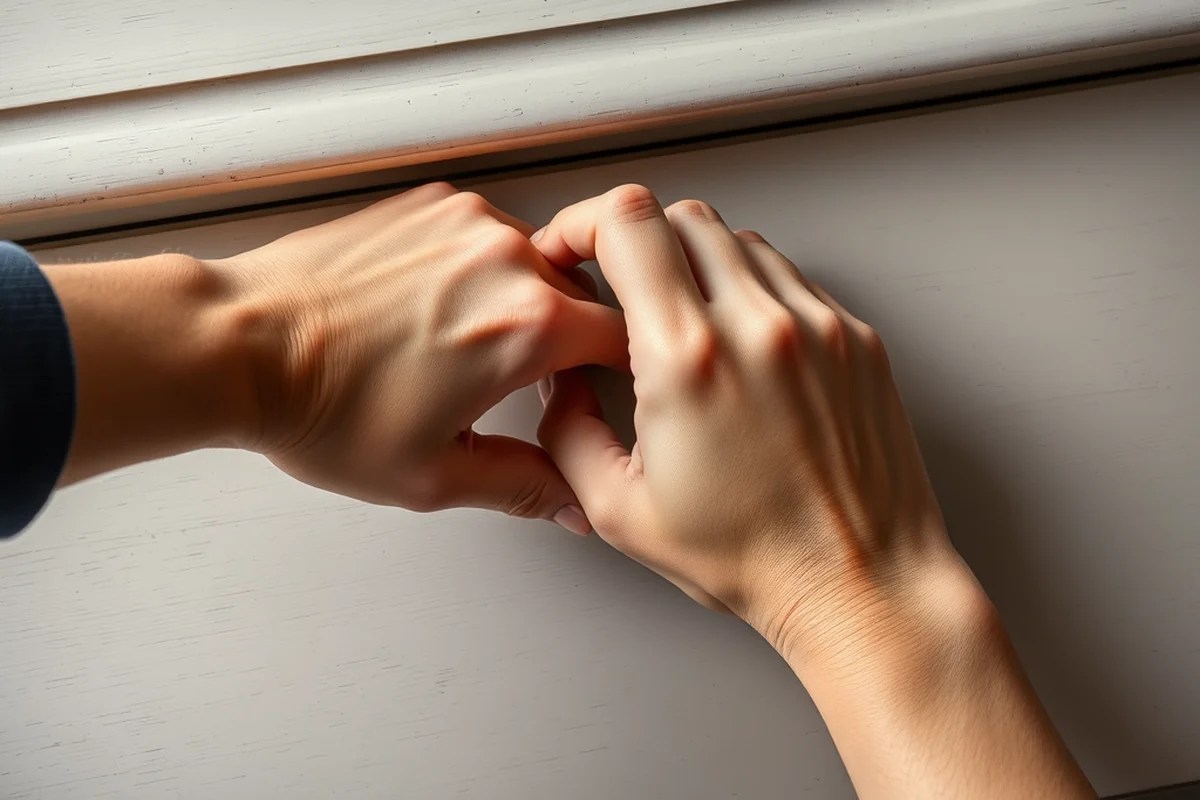
I first tried stripes in my living room and was amazed at how quickly the space transformed. Using painter’s tape, I created evenly spaced horizontal lines on my wall and painted them with two contrasting colors. The key was to measure carefully and apply the tape precisely — I used a level and a tape measure to ensure the lines were straight and even.
I used a 4-inch wide painter’s tape for the lines and a 2-inch wide for the borders. This created a clean, crisp effect. After the paint dried, I carefully peeled the tape off, and the result was a sharp, elegant look. I recommend using a high-quality tape that won’t leave residue or bleed when removing it.[3]
One of the best parts of this project was that it took less than two hours to complete. It was a weekend project that required minimal tools and materials. I used two different paint colors and a few rolls of painter’s tape. The result was a bold, eye-catching accent wall that made my living room feel more spacious and modern.
Stripes can instantly elevate a room with a touch of elegance.
Related: Diy easy accent wall
Related: Diy accent wall with trim
Related: Diy bathroom accent wall
Related: Diy geometric accent wall
Related: Does Decor Have An Accent
Related: Diy Accent Wall Ideas On A Budget
Related: What Is Accent Pieces
Related: Easy Accent Wall Ideas
Related: Accent Wall With Panels
Related: Living Room Accent Wall Ideas
The Ombre Effect: A Subtle Way to Add Depth
I tried an ombre effect in my bedroom, and it created a calming, spa-like atmosphere. The technique involves blending two or three shades of the same color across the wall to create a gradient effect. I used a sponge and a brush to blend the colors together, making sure the transition was smooth and seamless.
To achieve the best results, I used three shades of a soft blue — light, medium, and dark. I started at the top of the wall with the lightest color and worked my way down to the darker shade. I used a soft sponge to blend the edges so the transition wasn’t too abrupt. This technique gave the wall a subtle, three-dimensional look that made the room feel more inviting.
I found that using a high-quality brush and sponge made a big difference in the final outcome. I also made sure to let each layer of paint dry before applying the next one to avoid muddying the colors. The ombre effect is a great way to add texture and interest without overwhelming a space.
A sponge is the perfect tool for achieving a smooth ombre effect. Use it to gently blend the colors together and avoid harsh lines.
“I remember the first time I painted an accent wall — it was in my living room, and I had no idea where to start.”— DIY Furniture with Concrete Accents editors
Related: Diy Cheap Accent Wall Ideas
Using Stencils for a Custom Design
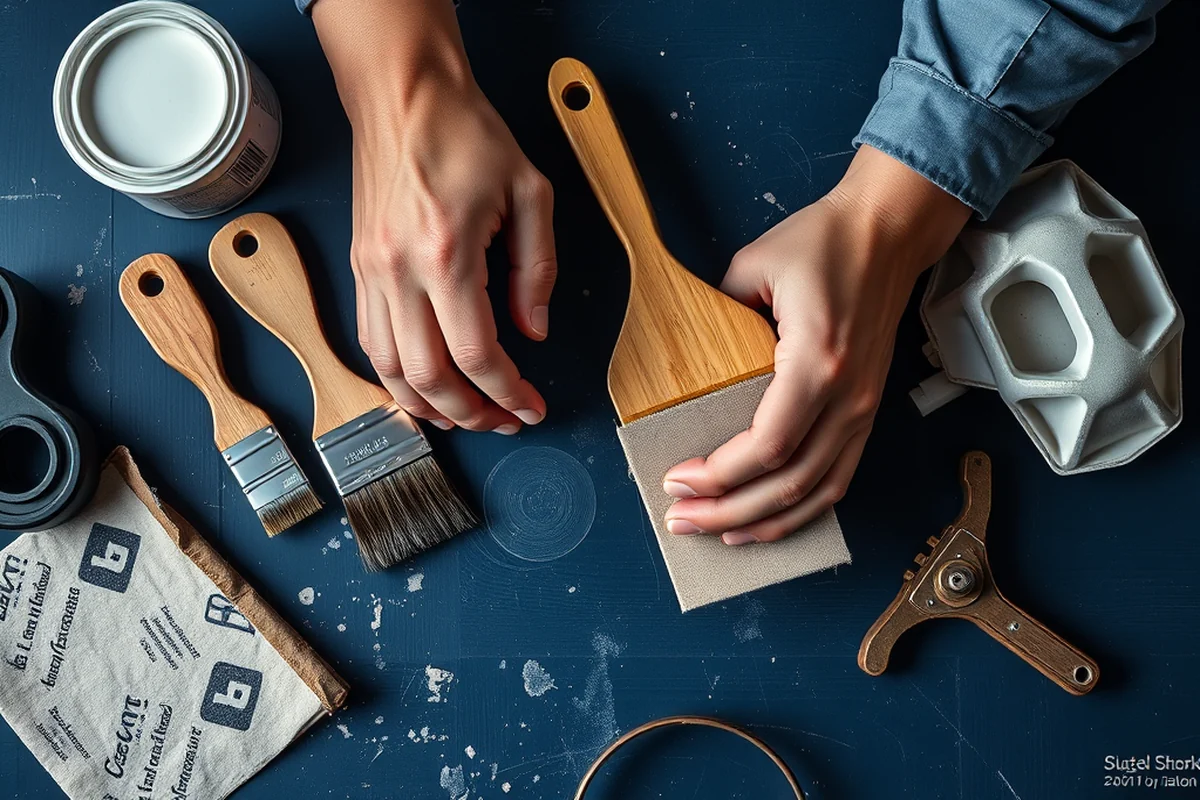
I used a stencil in my dining room to create a unique, custom design. I chose a floral pattern that complemented the room’s decor. The process involved taping the stencil to the wall and using a small brush to apply paint in even strokes. I worked carefully to avoid bleeding or smudging the design.
I found that using a stencil with a raised edge helped keep the paint within the lines. I also used a paintbrush with a small, pointed tip to get into the intricate details. Once the paint was dry, I carefully removed the stencil and stepped back to admire the design — it was a perfect match for the room.
Stenciling is a great option for those who want a unique, personalized look. It’s also a good way to incorporate patterns that match your existing decor or personal style. Just be sure to choose a stencil that’s the right size and complexity for your skill level.
Creating a Geometric Accent Wall with a Grid Pattern
I painted a geometric grid pattern on the wall in my home office, and it immediately made the space feel more professional and contemporary. The pattern involved creating evenly spaced squares or rectangles across the wall using painter’s tape. I used a level and tape measure to ensure the lines were straight and consistent.
I used two different paint colors — one for the grid lines and one for the background. I carefully applied the tape and painted the lines first. Once the lines were dry, I painted the background with a second color. The result was a clean, structured look that added visual interest without overwhelming the room.
This project was a bit more time-consuming than the stripe technique, but it was still a weekend project. I used painter’s tape, a level, and two paint colors to achieve the look. It was a great way to add a modern touch to my home office without making it feel too cluttered.
Using a Paint Roller for a Textured Accent Wall
I painted a textured accent wall in my living room using a paint roller with a sponge texture. The result was a soft, tactile surface that added visual and physical interest to the space. I used a high-quality paint roller with a sponge texture to create a subtle, uneven finish.
I applied the paint in sections, using a light hand to avoid overworking the texture. I made sure to let each section dry before moving on to the next one to avoid muddying the texture. Once the paint was dry, I stepped back and admired the subtle, three-dimensional look.
This technique is a great way to add visual interest without using stencils or complex designs. It’s also a good option for those who want to create a tactile surface that can be touched and felt. Just be sure to choose a paint that works well with a textured roller.
Texture can transform a plain wall into a work of art.
DIY Accent Wall with a Two-Tone Design
I painted a two-tone accent wall in my living room, and it immediately made the space feel more dynamic. I used two different paint colors — one for the bottom half of the wall and one for the top half. This created a clean, modern look that added depth and interest to the room.
I used a level and painter’s tape to create a clean, sharp line between the two colors. I painted the bottom half first, let it dry, and then painted the top half with a second color. The result was a clean, modern look that added visual interest without overwhelming the space.
This technique is a great option for those who want a simple yet effective way to add visual interest to a room. It’s also a good way to incorporate two different colors that complement each other. Just be sure to choose colors that work well together and use a level to ensure the line is straight.
💰 Budget Build
Use affordable paint and basic tools to create a simple two-tone or striped accent wall.
⏰ Weekend Version
Complete an accent wall project in a single weekend using painter’s tape and a roller.
✨ Upgraded Finish
Add texture with a sponge or grid pattern and use high-quality paint for a professional look.
🏠 Small-Space Adaptation
Use a narrow stripe or subtle ombre effect to add interest to a small room without overwhelming it.
арендодателю Rental-Safe Option
Opt for removable wallpaper or temporary paint that can be easily removed without damaging the walls.
| The mistake | Why it happens | The fix |
|---|---|---|
| Using low-quality paint that doesn’t cover well | Low-quality paint can leave streaks or require multiple coats, which increases the time and effort needed for the project. | Invest in a high-quality paint that covers well with one or two coats. This ensures a smooth, professional finish. |
| Applying too much paint at once | Applying too much paint can lead to drips, uneven coverage, and a messy look that’s hard to fix. | Use a paint roller with even pressure and apply paint in thin, even layers. Let each coat dry before applying the next. |
| Not measuring accurately | Incorrect measurements can lead to crooked lines, uneven spacing, and an unbalanced design. | Use a level and a tape measure to mark your lines precisely. Double-check your measurements before applying paint. |
| Choosing a color that doesn’t work with the room’s lighting | A color may look great in the store but appear too dark or too light in your home depending on the lighting. | Test the paint on a small section of the wall first and observe it under different lighting conditions before painting the entire wall. |
Diy Accent Wall Paint Ideas
Common Questions
What type of paint should I use for an accent wall?
How do I ensure my stripes are straight?
Can I create an accent wall in a small room?
How long does it take to paint an accent wall?
References
Cite this guide
DIY Furniture with Concrete Accents (2026). Diy Accent Wall Paint Ideas. https://concreteshape.com/diy-accent-wall-paint-ideas/
Feel free to cite or share this guide.