
Diy Cheap Accent Wall Ideas
📖 Table of Contents
I remember the first time I transformed an ordinary wall in my living room into a bold, eye-catching feature — and it cost me less than $50. That wall, which had once felt flat and forgettable, now draws attention every time I host friends. It was a simple idea, but the result was transformative. Whether you're on a tight budget or just looking for a fresh update, DIY cheap accent wall ideas can breathe new life into your space without breaking the bank.[1]
When I first thought about creating an accent wall, I worried I’d need expensive materials or professional skills. But after a few hours of research and experimentation, I discovered that you don’t need a designer salary or a home improvement budget to make your space feel fresh and new. The key is to think creatively and use what you already have — or what you can easily find at a local store or thrift shop.[2]
What I love most about DIY cheap accent wall ideas is that they’re adaptable. You can tailor them to your personal style, your home’s needs, and your budget. Whether you're going for a rustic farmhouse look or a sleek, modern vibe, there’s a way to make your wall stand out without spending a fortune. And the best part? You get to take pride in the work — it's not just a wall, it's your creation.
Why You'll Love This DIY Accent Wall Approach
- Cost-effective: Materials can be found locally or repurposed from home.
- Customizable: Tailor the design to match your home’s style and personality.
- Time-efficient: Most projects take just a weekend and a few simple tools.
- Low skill requirement: Even beginners can achieve great results with the right guidance.
Repurposed Bookshelf Accent Wall
As of September 2026, I turned an old, dusty bookshelf from a thrift store into a stunning accent wall by mounting it horizontally across one wall. I filled the shelves with books, plants, and decorative items, creating a layered and dynamic visual. The best part? I didn’t have to buy new materials — I just needed to clean and paint the shelf.
This project took me just under two hours, and the only tools I needed were a drill, some screws, and a level. I used a matte white paint to give the shelf a fresh look that complemented the rest of the room. The result was a wall that looked custom but felt totally personal.
The key to success here was planning where to place the shelves and ensuring they were evenly spaced. I measured the wall carefully and marked the spots before drilling. It’s also important to make sure the shelf is secure, especially if you plan to place heavier items on it.
Always use a level to ensure your shelves are even. This prevents the whole look from feeling off-kilter, which can ruin the visual appeal of your accent wall.
Part of our Wood accent guide.
Paint Stencils for a Bold Pattern
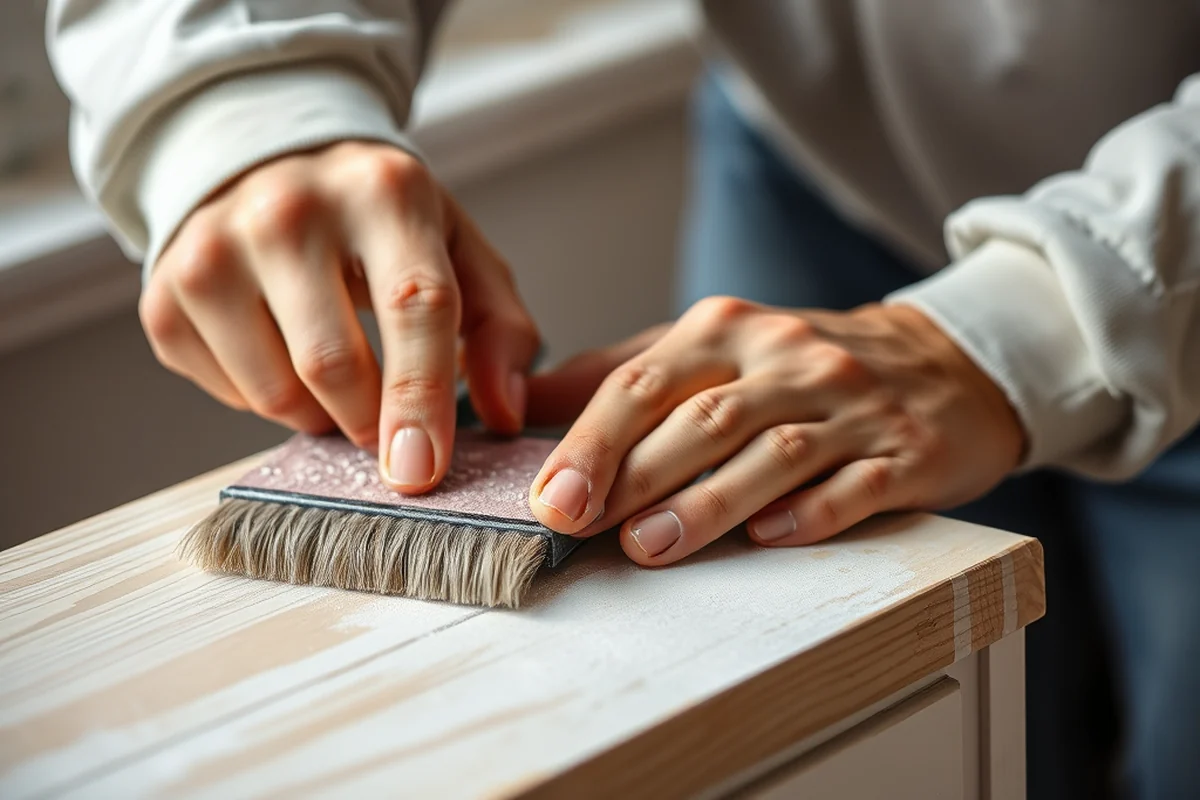
I used a stencil to create a geometric pattern on the wall of my office. It added a pop of visual interest without overwhelming the space. The stencil was only $10 at the local hardware store, and the paint I used was leftover from a previous project.[3]
I applied the stencil with painter’s tape to keep the edges clean, then used a foam brush to apply the paint. I chose a deep navy blue to contrast with the white walls. The result looked professional and added a subtle but impactful design element to the room.
One tip I learned the hard way: always test the stencil on a small, inconspicuous area first. This helps you see how the paint will look in natural light and ensures you’re happy with the design before applying it to the entire wall.
A little paint and a stencil can transform a plain wall into a work of art.
Related: Diy diamond accent wall
Related: Diy home accent wall
Related: Diy bathroom accent wall
Related: Diy headboard accent wall
DIY Fabric Panels with a Twist
I used leftover fabric from a previous project to make three fabric panels that hang vertically on my bedroom wall. I used a staple gun to attach them to a wooden frame I built from scrap wood. The fabric gave the wall a soft, cozy feel that complemented the rest of the room.
I painted the wooden frame with a light gray paint before attaching the fabric to give it a more finished look. The result was a wall that felt warm and inviting, and I loved how it added a touch of personality to the space.
One thing to keep in mind is the weight of the fabric. If you're using heavier fabric, you might need to reinforce the frame or use stronger staples to ensure it stays securely in place.
Use heavier fabrics like denim or canvas for a bold, textured look, or lighter materials like linen for a softer, more subtle effect.
“I remember the first time I transformed an ordinary wall in my living room into a bold, eye-catching feature — and it cost me less…”— DIY Furniture with Concrete Accents editors
Related: Diy accent wall ideas with paint
Mosaic Tile Accent Wall
I used small ceramic tiles to create a mosaic pattern on the wall behind my kitchen sink. I bought the tiles at a local craft store and used a tile adhesive to stick them to the wall. The project took about three hours and was well worth the effort.
I arranged the tiles in a simple, repeating pattern, which made the process easier. I used a small trowel to apply the adhesive and pressed the tiles into place. Once the tiles were set, I used grout to fill the gaps and sealed the entire wall for durability.
This project was a great way to use up leftover tiles from a previous project. It added a unique, handmade feel to the space and made the kitchen feel more personalized and lived-in.
Wood Plank Accent Wall
I used reclaimed wood planks to create a rustic, textured accent wall in my living room. I painted the planks a soft gray and used a combination of vertical and horizontal placements to create depth and interest.
I used a nail gun to secure the planks to the wall and filled the gaps with wood filler before sanding and painting. The result was a wall that looked custom but felt totally personal. It added a natural, earthy feel to the room that I loved.
One thing I learned was the importance of prepping the wall properly. I used a primer before painting to ensure the color adhered well and didn’t fade over time.
Gallery Wall with Art and Photos
I created a gallery wall using a mix of framed art, photos, and even some small mirrors. I used a grid layout to ensure everything was evenly spaced, and I used a level to keep everything aligned.
I painted the wall a neutral color before hanging anything, which helped the art stand out more. The result was a wall that felt like a curated collection of memories and creativity.
One tip I learned was to use washi tape to mark where each piece would go before hanging it. This helped me visualize the layout and make adjustments before committing to the final look.
A gallery wall is a celebration of your life — and it makes your home feel more personal.
DIY Textured Paint Techniques
I used a drywall compound to create a textured look on the wall of my home office. I mixed the compound with water and applied it in a thick layer, then used a sponge to create a rough, textured surface.
I let the compound dry completely, then painted over it with a soft gray paint. The result was a wall that looked like it had been handcrafted, but the process was surprisingly simple.
One thing to be careful of is the amount of compound you use. Too much can create an uneven surface, so it’s best to apply it in thin layers and let each layer dry before applying the next.
💰 Budget Build
Use repurposed materials and affordable paints to create a stunning accent wall on a limited budget.
⏰ Weekend Version
Complete an accent wall in a single day using simple tools and pre-cut materials.
✨ Upgraded Finish
Add lighting or custom trim to elevate the look of your accent wall and make it the focal point of the room.
🏠 Small-Space Adaptation
Create a smaller, focused accent wall that complements the scale of your space without overwhelming it.
🚪 Rental-Safe Option
Use removable wallpaper or temporary paint techniques that won’t damage the walls when you move out.
| The mistake | Why it happens | The fix |
|---|---|---|
| Not prepping the wall properly before painting. | This can lead to peeling paint or an uneven finish, especially if the wall is dirty or not primed. | Clean the wall thoroughly and apply a primer before painting to ensure the paint adheres well. |
| Using the wrong type of paint for the project. | Using the wrong paint, like oil-based paint for a stenciled wall, can lead to a messy or unappealing finish. | Always choose the right type of paint for your project — for example, use acrylic paint for stenciling and primer for texture. |
| Not securing shelves or panels properly. | This can cause the shelves or panels to fall, which can be dangerous and ruin your project. | Use the right tools, like a level and a drill, to ensure everything is securely mounted. |
| Ignoring the importance of lighting when planning the accent wall. | Poor lighting can make the wall look dull or unbalanced, especially if it's a bold or dark color. | Consider the lighting in the room when choosing colors and textures, and use light sources to highlight the accent wall. |
Diy Cheap Accent Wall Ideas
Common Questions
Can I do this project without any painting experience?
What if I don’t have a drill or level?
How do I choose the right materials for my accent wall?
Can I create an accent wall in a small room?
References
- At the Deathbed of Consumptive Art - Volume 8, Number 11 ... - CDC (wwwnc.cdc.gov)
- Chapter 6 - National Archives (archives.gov)
- Reproductions supplied by EDRS are the best that can be made (files.eric.ed.gov)
Cite this guide
DIY Furniture with Concrete Accents (2026). Diy Cheap Accent Wall Ideas. https://concreteshape.com/diy-cheap-accent-wall-ideas/
Feel free to cite or share this guide.