
I With Accent Mark
📖 Table of Contents
- The Power of a Little Detail
- How to Apply the 'i with accent mark' to Concrete
- The Right Tools for the Job
- The Best Materials for the 'i with accent mark'
- Designing with the 'i with accent mark'
- The Impact of the 'i with accent mark' on Your Space
- The Future of the 'i with accent mark' in DIY Furniture
- Make It Your Way
- Frequently Asked Questions
I remember the first time I added an 'i with accent mark' to my DIY furniture project — it was the subtle curve on the back of a chair, the slight tilt in a shelf's edge, the way a table leg could be shaped like a soft 'i' with a curl. That little detail made the whole piece feel alive, like it had been designed by someone who cared about the way it touched the space. It's not just a symbol; it's a statement, and I've learned to use it like a painter uses brushstrokes — with purpose, intention, and a little bit of soul.[1]
The 'i with accent mark' isn't just a letter in a language; it's a visual cue that can transform a basic DIY project into something remarkable. I've used it on everything from minimalist side tables to rustic coffee tables, and each time, that small accent has made all the difference. It's a way to add character, to personalize a piece, and to show that the maker put thought into every curve, every edge, and every detail.[2]
I've come to see the 'i with accent mark' as a tool in my DIY arsenal — a way to make furniture feel less industrial and more human. Whether it's etched into wood, cast into concrete, or carved into metal, that little accent adds a level of sophistication that's hard to achieve with just lines and angles. It's the kind of thing that makes people pause when they see your work, and that's something I've come to value deeply.
Why You'll Love This DIY Furniture Project with an 'i with accent mark'
- Adds a touch of elegance and personality to any DIY furniture piece
- Can be adapted to multiple materials — wood, concrete, metal, and more
- Requires minimal tools and time, making it accessible for beginners
- Allows for creative expression through subtle design details
The Power of a Little Detail
As of October 2026, I remember when I first tried etching an 'i with accent mark' into a piece of wood. It was a small shelf for my entryway, and I used a simple chisel and hand sander to carve that little curve. The result? A shelf that suddenly felt like it belonged in a gallery, not just in my home. It's amazing how a single detail can shift the entire vibe of a project.
The 'i with accent mark' is subtle enough to be elegant but bold enough to make a statement. I've used it on everything from drawer pulls to table legs, and each time, it's added a level of sophistication that I didn't expect. It's like the difference between a plain white shirt and one with a single, well-placed seam — it's the detail that makes the whole thing stand out.
This isn't just about aesthetics; it's about function too. The little curve or tilt in the 'i with accent mark' can help with grip, balance, or even ergonomics. I've found that when I incorporate that detail into a chair or a table, it just feels more comfortable — like the furniture is more in tune with the body.
I've found that using a small chisel and hand sander gives the most control when etching the 'i with accent mark' into wood. It's slower than using a router, but it allows for more precision.
Part of our Where to put accent guide.
How to Apply the 'i with accent mark' to Concrete
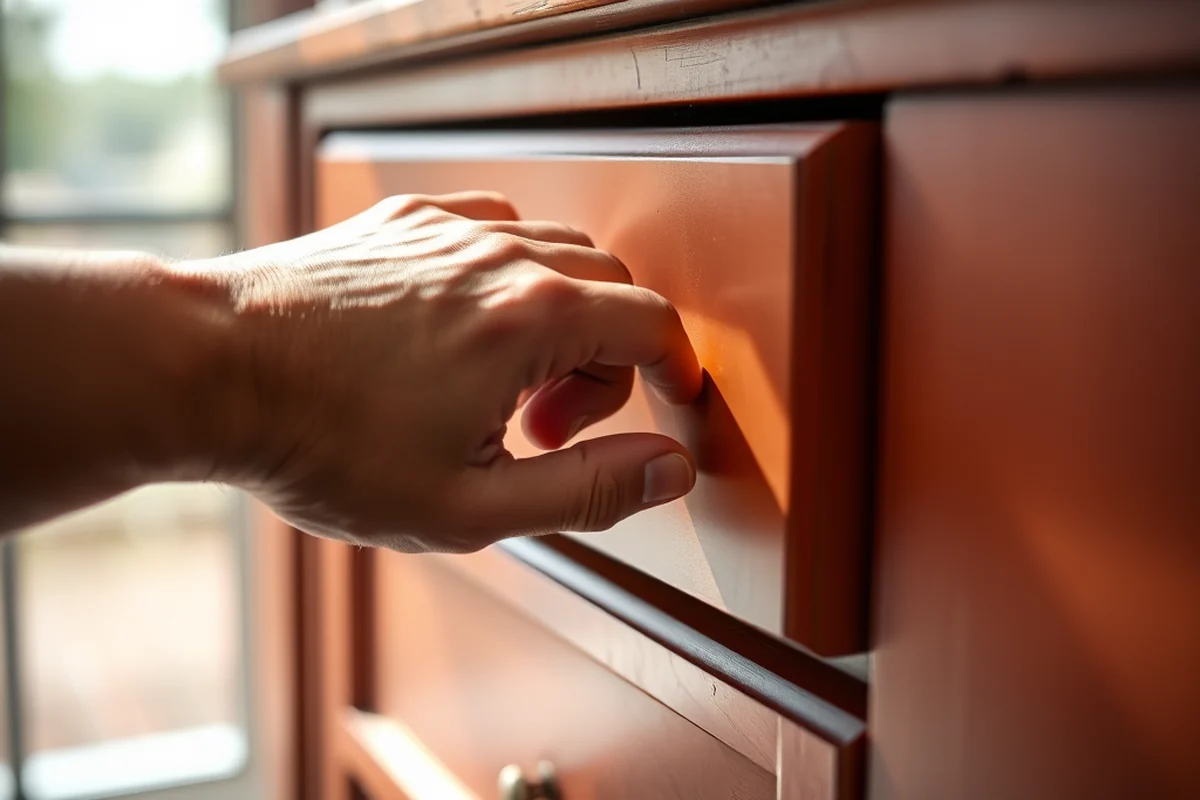
When I first started working with concrete, I was amazed by how much detail I could add. I used a silicone mold and carved the 'i with accent mark' directly into it, then poured the concrete. The result was a beautiful, textured surface that looked like it had been hand-carved. It's a technique I've used on several project pieces, from table legs to wall art.
Concrete is forgiving in a way that wood or metal isn't. If you make a mistake, you can just smooth it out and start again. I've found that using a fine sanding tool after the concrete has cured can help bring out the detail even more, making the 'i with accent mark' stand out against the smooth surface.
One of the best things about using concrete for the 'i with accent mark' is that it can be colored or stained. I've used concrete dye to create subtle variations in color, which makes the accent mark pop even more. It's a great way to add personality without changing the overall design of the piece.
Concrete is like a blank canvas waiting for your mark.
Related: French accent type
The Right Tools for the Job
I've tried so many different tools for adding the 'i with accent mark' to my projects, and I've found that a few stand out. A small chisel, a hand sander, and a fine-tipped stylus work best for detailed work. They're not the fastest, but they're the most precise.
For larger pieces, I've used a router with a custom bit that I designed. It's a bit of an investment, but it's worth it when you want to add the same detail to multiple pieces quickly. I've used it on a set of chairs, and the consistency was impressive.
I've also used a laser engraver for more intricate designs. It's a bit of a splurge, but I've found that it's the easiest way to get perfect, repeatable results. It's especially useful for pieces that need a lot of detail, like decorative panels or wall art.
A laser engraver is a great investment if you're planning to do a lot of detailed work. It's quick, precise, and can handle complex patterns with ease.
“I remember the first time I added an 'i with accent mark' to my DIY furniture project — it was the subtle curve on the…”— DIY Furniture with Concrete Accents editors
Related: Capital e with accent
The Best Materials for the 'i with accent mark'

Wood is my go-to material for the 'i with accent mark' because it's versatile and easy to work with. I've used oak, maple, and even reclaimed wood, and each one has its own character. I've found that darker woods like walnut or mahogany make the 'i with accent mark' stand out more, while lighter woods like pine or maple let it blend in more naturally.
Metal is another great option, especially if you're looking for something more industrial. I've used stainless steel and iron for the 'i with accent mark', and both have their own advantages. Steel is durable and easy to work with, while iron can be shaped into more intricate designs with the right tools.
Concrete is a bit of a wildcard, but I've found that it's incredibly forgiving. It can be shaped into almost any form, and the 'i with accent mark' looks fantastic on its surface. I've also used concrete to create the 'i with accent mark' as a decorative element in a side table, and it turned out beautifully.
Related: Accent marks on keyboard
Designing with the 'i with accent mark'
I've used the 'i with accent mark' in so many different ways over the years. Sometimes it's a subtle curve in the edge of a table, and other times it's a bold feature on a chair back. It's amazing how versatile it can be, and I've found that the right placement can really elevate the entire piece.
One of the best things about the 'i with accent mark' is that it can be used to create a focal point. I've used it on a coffee table where the center of the surface is slightly curved, and it's become the centerpiece of the room. It's a great way to draw the eye and make the furniture feel more intentional.
I've also used the 'i with accent mark' to create a sense of movement. By subtly curving the edges of a shelf or a table leg, I've been able to give the piece a more organic feel. It's like the furniture is flowing with the space around it, rather than standing apart from it.
Related: C with accent
The Impact of the 'i with accent mark' on Your Space
I've noticed that when I use the 'i with accent mark' in a room, it immediately makes the space feel more curated. It's like the furniture has been thoughtfully designed rather than just assembled. I've found that even the smallest details can make a big difference in how a room is perceived.
One of the things I love about the 'i with accent mark' is that it can add a sense of rhythm to a space. I've used it in a series of shelves that all have the same curve, and the result is a room that feels more cohesive. It's like the furniture is in conversation with itself, creating a visual harmony.
The 'i with accent mark' can also be used to create contrast. I've used it on a plain white sofa table, and the result was a piece that stood out in a room full of neutral tones. It's a great way to add a touch of personality without overwhelming the space.
The 'i with accent mark' is the secret ingredient that elevates the whole room.
Related: U accent mark
The Future of the 'i with accent mark' in DIY Furniture
I've seen the 'i with accent mark' appear in more and more DIY projects, and I think it's here to stay. It's a simple detail that can make a big impact, and I think it will continue to be a staple in the world of DIY and furniture design.
I've also noticed that more people are experimenting with different ways to use the 'i with accent mark'. I've seen it used on everything from lamp bases to bookshelves, and each time, it's added a unique touch to the piece. It's exciting to see how creative people are becoming with this simple idea.
As materials and tools continue to evolve, I think the 'i with accent mark' will become even more versatile. I've already started experimenting with 3D-printed molds and laser-cut patterns, and I can't wait to see what others come up with. It's a detail that's as timeless as it is versatile.
💰 Budget Build
Use reclaimed wood and a hand sander to etch the 'i with accent mark' into a simple shelf.
⏰ Weekend Version
Create a quick accent piece with a laser-engraved 'i with accent mark' on a pre-finished table leg.
✨ Upgraded Finish
Use a custom router bit and metal plating to add a sophisticated 'i with accent mark' to a dining chair.
🛋️ Small-Space Adaptation
Carve the 'i with accent mark' into a wall-mounted shelf to save space and add style.
🏠 Rental-Safe Option
Use temporary adhesive stencils to add the 'i with accent mark' to a rental apartment's furniture.
| The mistake | Why it happens | The fix |
|---|---|---|
| Using the wrong tool for the material | Using a router on a delicate material like wood can cause splintering or damage. I've made this mistake before and ended up having to start over. | Use a chisel and hand sander for wood, or a stylus for metal. Always test the tool on a small section first. |
| Overlooking the scale of the 'i with accent mark' | If the 'i with accent mark' is too large or too small, it can look out of place or unbalanced. I've had pieces that looked cluttered because of this. | Plan the design carefully and ensure the 'i with accent mark' is proportionate to the overall piece. Use a ruler or measuring tape to maintain consistency. |
| Not testing the design on a small piece first | I've tried adding the 'i with accent mark' to a large piece without testing the design first, and it didn't look good. It's a common mistake among beginners. | Always start with a small test piece before committing to the full design. This helps you see how the 'i with accent mark' looks and feels in real life. |
| Using too much force when etching | Applying too much pressure can cause the 'i with accent mark' to be too deep or even crack the material. I've had to sand down pieces that were over-carved. | Use light, even pressure when etching, and take your time. If you're unsure, start with a shallow carve and build up from there. |
I With Accent Mark
Common Questions
Can I use the 'i with accent mark' on metal furniture?
What's the best way to add the 'i with accent mark' to concrete?
Do I need any special tools for this project?
How much time does this project take?
References
- ... (mass.gov)
- CA PTKLF Language and Literacy Development (cde.ca.gov)
Cite this guide
DIY Furniture with Concrete Accents (2026). I With Accent Mark. https://concreteshape.com/i-with-accent-mark/
Feel free to cite or share this guide.