
How To Do An Accent Wall In Living Room
📖 Table of Contents
- Choosing the Right Wall for Your Accent
- Picking the Right Material for Your Accent Wall
- Prepping Your Wall for the Accent
- Applying Paint or Material to the Accent Wall
- Adding the Finishing Touches
- Maintaining Your Accent Wall
- Inspiration and Ideas for Your Accent Wall
- Make It Your Way
- Frequently Asked Questions
There’s something about the way light hits a finished wall that transforms a room from ordinary to extraordinary. I remember the first time I painted a bold accent wall in my living room — it felt like a new chapter in my home’s story. The wall wasn’t just a backdrop; it became a focal point that drew the eye, anchored the room, and even made the furniture look better. That’s the power of an accent wall, and it doesn’t have to be complicated or expensive.
I’ve built several accent walls over the years, from using paint to experimenting with wood paneling and even concrete. Each project taught me something new, but the core principle stayed the same: an accent wall should enhance the room, not overwhelm it. I’ve learned that it’s not about the materials you use, but how well you execute the design. The right color, texture, and placement can elevate the entire space in ways you never expect.
For those of you who are new to DIY, let me be clear: an accent wall is within your reach. You don’t need a degree in interior design or a budget that would make a contractor blush. In this article, I’ll walk you through exactly how to do an accent wall in your living room — from picking the right materials to applying them with the precision needed to make your room feel more like a home and less like a showroom.[1]
Why You'll Love This Accent Wall Project
- It adds instant visual impact without major renovations.
- It’s a great way to express your personal style.
- It can be done on a budget with materials you already own.
- It’s a skill you can use on other rooms or projects.
Choosing the Right Wall for Your Accent
As of September 2026, I always start by looking at the room from different angles. The best accent walls are those that draw the eye and have a natural focal point — like a fireplace, a window, or even a built-in bookshelf. I once painted the wall behind my TV, and it completely changed how the room felt, making the space feel more intentional.[2]
When I first started doing accent walls, I made the mistake of choosing a wall that was too narrow. It looked out of place and didn’t have the impact I was going for. Now I always measure the wall first and use a tape measure to find the one that’s at least 5 feet wide — that gives enough space to make a visual statement.
Also, think about the room’s traffic flow. If the wall is in a high-traffic area, like near a door or a hallway, it might not be the best spot. I’ve found that the best walls are those that are in line with the room’s natural sightlines, which helps the accent wall feel like a natural part of the space.
Always measure your wall before starting. This helps you avoid mistakes and ensures the accent wall fits perfectly in the room.
Part of our Where to put accent guide.
Picking the Right Material for Your Accent Wall
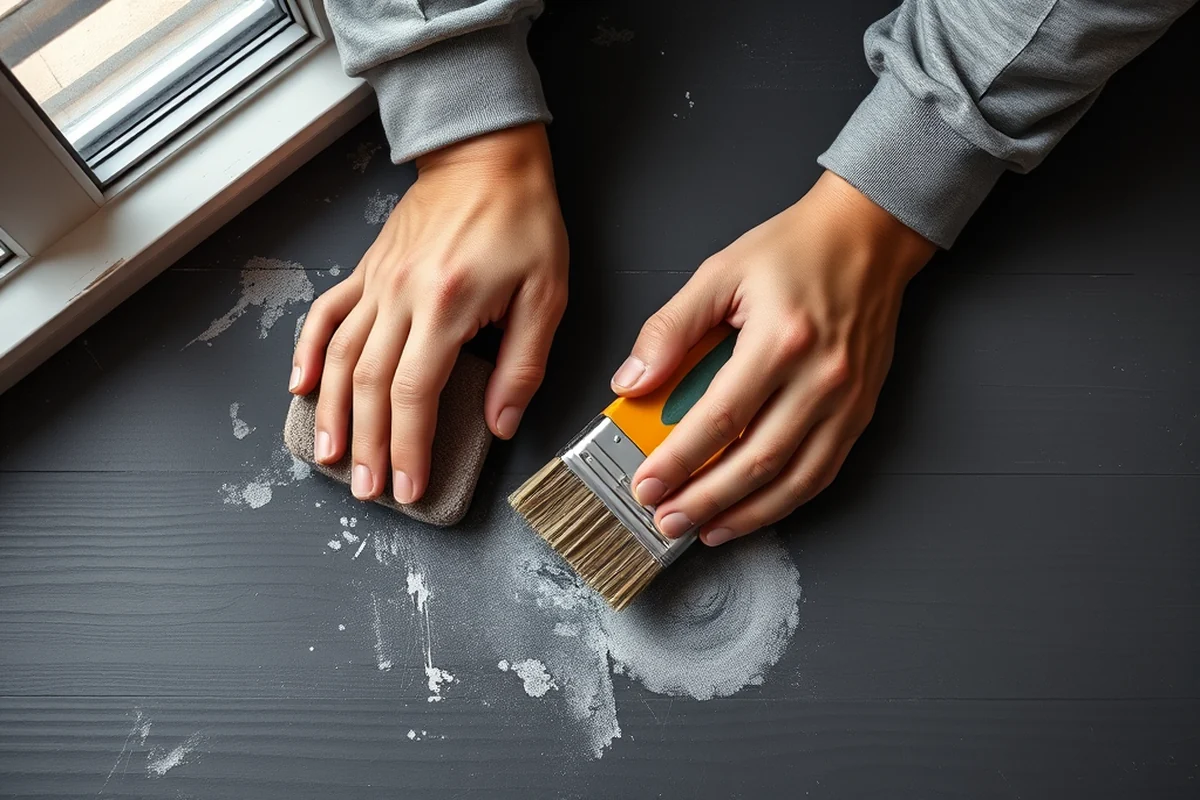
Paint is the most common and affordable option. I’ve painted several accent walls, and each time, I used a high-quality paint that covers well and resists peeling. I’ve found that using a semi-gloss or eggshell finish works best for living rooms because it’s easy to clean and doesn’t show imperfections as much as matte finishes do.
If you want something more textured or unique, wood paneling or concrete can be a great option. I once used concrete for a wall in my living room, and it added a modern, industrial feel that really stood out. It’s also very durable, though it takes more time and effort to apply.
I always test a sample of the material I’m considering before committing. This helps me see how it looks in the room’s lighting and ensures it works with the rest of the decor.
The right material can turn an ordinary wall into a room’s hero.
Related: How to put an accent over a letter
Prepping Your Wall for the Accent
I always start by cleaning the wall thoroughly. I use a damp cloth and a mild detergent to remove any dirt or grime. This ensures the paint or material I use will stick properly. I once skipped this step and ended up with a wall that looked patchy — a huge waste of time and materials.
Next, I check for any holes, cracks, or uneven spots. If I find any, I fill them with spackle and sand them down until they’re smooth. I always use a sanding block to avoid damaging the surrounding wall.
I also use painter’s tape to protect the edges of the wall. This helps me create clean lines and prevents the paint or material from bleeding onto the trim or ceiling. It might seem like a small detail, but it makes a huge difference in the final look.
Invest time in wall prep — it’s the difference between a good accent wall and a great one.
“There’s something about the way light hits a finished wall that transforms a room from ordinary to extraordinary.”— DIY Furniture with Concrete Accents editors
Related: What s a accent wall
Applying Paint or Material to the Accent Wall
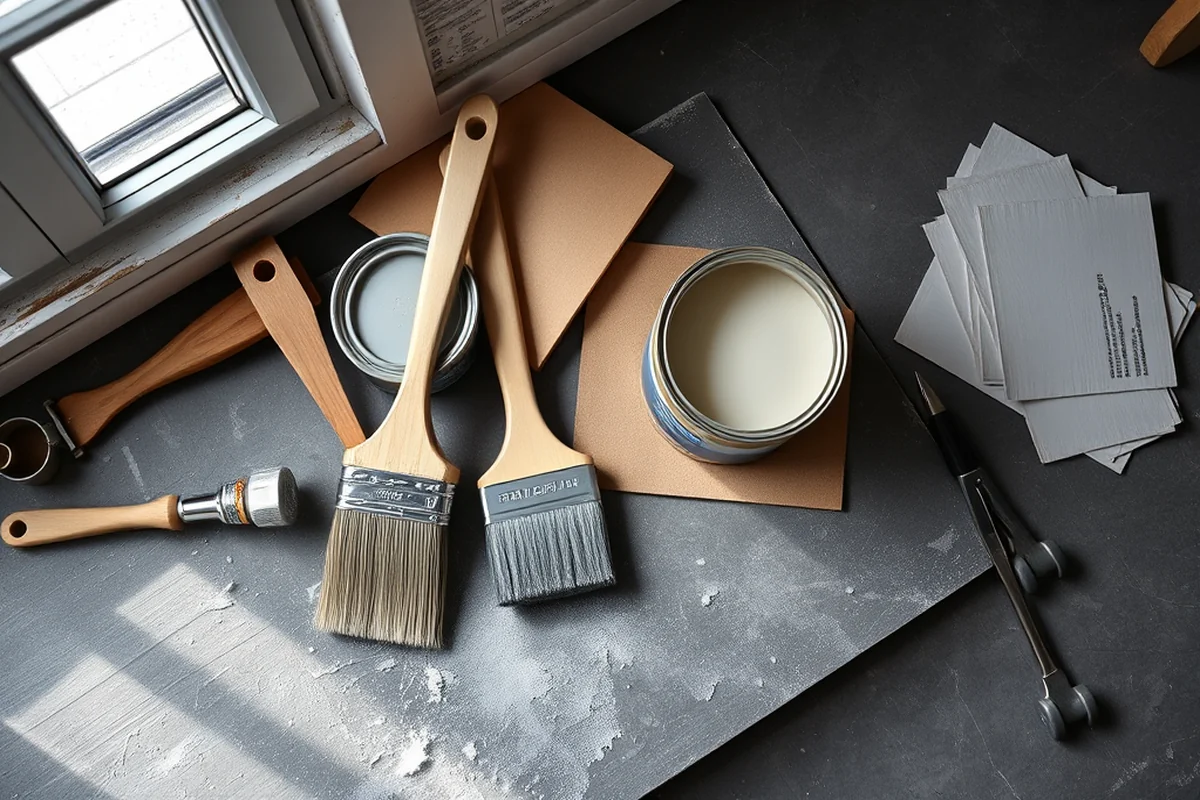
I always use a brush to apply the first coat of paint, working in small sections to avoid drips. I let the paint dry completely before applying a second coat. For concrete, I mix the materials in a bucket and use a trowel to apply them evenly — it takes a bit of time, but the result is worth it.
I’ve found that using a quality brush or trowel makes a huge difference in the final look. I always invest in a good-quality brush for painting, and I use a trowel with a smooth edge for concrete. It helps me achieve a professional look even if I’m not a pro.
I also take my time applying the material. Rushing can lead to mistakes, like uneven coverage or missed spots. I’ve learned that patience is key — and even a small error can be a big problem in the long run.
Related: Put accent over a letter
Adding the Finishing Touches
I always use a trim brush to go over the edges of the wall. This helps me create a clean, professional look that ties the wall into the rest of the room. I’ve found that even a small detail like this can make a big difference in the overall appearance.
For a more dramatic effect, I sometimes add a border or trim to the top or bottom of the wall. This helps frame the wall and makes it feel more intentional. I’ve used both painted borders and wooden trims in the past, and both work well depending on the style of the room.
I also like to use lighting to highlight the accent wall. I’ve installed sconces on either side of the wall, and it makes the wall feel more dynamic. The right lighting can make even a basic wall feel like a masterpiece.
Related: How to put accents on letters for spanish
Maintaining Your Accent Wall
I always use a soft cloth to clean my painted accent walls. This helps me avoid scratches and keeps the paint looking fresh. For concrete walls, I use a mild detergent and water — I’ve found that harsh cleaners can damage the surface over time.
I also check the wall regularly for any signs of wear or damage. If I notice any chips or cracks, I fix them right away. I’ve learned that small issues can become bigger problems if left unattended.
I’ve also learned that using a high-quality material makes a big difference in how long the accent wall lasts. I always choose materials that are durable and easy to maintain — it’s an investment that pays off in the long run.
A little care goes a long way in making your accent wall last.
Related: How to make accents on letters with keyboard
Inspiration and Ideas for Your Accent Wall
I always look for inspiration from magazines, Pinterest, and even other DIY blogs. I’ve found that seeing how others have done it gives me ideas I might not have thought of. I’ve also been to home shows and taken photos of accent walls that caught my eye — it’s amazing how much you can learn from just walking around.
I’ve also experimented with different patterns and textures. For example, I once used a geometric pattern on an accent wall, and it added a modern, eye-catching element to the room. I’ve found that playing with texture and color can make a big difference in how the space feels.
I’ve also tried using mirrors, artwork, and even shelves as part of the accent wall. These elements add personality and functionality, making the wall more than just a decorative feature. I’ve found that the best accent walls are those that have both style and purpose.
💰 Budget Build
Create an impactful accent wall with just paint and basic tools — perfect for those on a tight budget.
⏰ Weekend Version
A quick, doable project that can be completed in a few hours — ideal for a weekend DIY session.
✨ Upgraded Finish
Use premium materials like wood or concrete to elevate the look and feel of your accent wall.
🏠 Small-Space Adaptation
Tailor your accent wall to fit a smaller space — use bold colors or textures to make the room feel larger.
🔒 Rental-Safe Option
Choose materials that won’t damage the rental unit — paint is a safe, removable option for temporary use.
| The mistake | Why it happens | The fix |
|---|---|---|
| Choosing the wrong wall | An accent wall that’s too small or not in the right place can feel out of place and not impactful. | Measure the wall and choose one that’s at least 5 feet wide and in line with the room’s natural sightlines. |
| Skipping wall prep | Failing to clean or repair the wall can lead to peeling paint or an uneven finish. | Clean the wall thoroughly and repair any holes or cracks before applying paint or material. |
| Using the wrong paint finish | Using a matte finish in a high-traffic area can make the wall look dirty and hard to clean. | Choose a semi-gloss or eggshell finish for living rooms — they’re more durable and easier to maintain. |
| Rushing the application process | Applying paint or material too quickly can result in drips, streaks, or missed spots. | Take your time and work in small sections. Use a quality brush or trowel to ensure even coverage. |
How To Do An Accent Wall In Living Room
Common Questions
Can I use a different material for my accent wall instead of paint?
What if my accent wall is in a high-traffic area?
Can I remove an accent wall if I change my mind later?
How do I ensure my accent wall matches the rest of the room?
References
Cite this guide
DIY Furniture with Concrete Accents (2026). How To Do An Accent Wall In Living Room. https://concreteshape.com/how-to-do-an-accent-wall-in-living-room/
Feel free to cite or share this guide.