
What Is Accent Tiles
📖 Table of Contents
- Understanding Accent Tiles: More Than Just a Decorative Element
- Choosing the Right Accent Tiles for Your Space
- How to Lay Accent Tiles: A Step-by-Step Guide
- Where to Use Accent Tiles in Your Home
- How to Choose the Right Color and Pattern for Accent Tiles
- Maintaining Accent Tiles: Tips for Long-Lasting Beauty
- Creative Ways to Use Accent Tiles in Your Home
- Maximizing Impact with Accent Tiles: Balancing Scale and Proportion
- Make It Your Way
- Frequently Asked Questions
I remember the first time I added accent tiles to my kitchen backsplash. It was a small, 2x2-foot section in the corner near the sink, and the difference it made was immediate. The glossy, cobalt-blue tiles stood out against the neutral beige of the surrounding tiles, and suddenly the space felt more alive. That's what accent tiles do — they're the exclamation point in a sentence, the spark that ignites the room’s personality.
Accent tiles aren’t just decorative; they’re strategic. I’ve used them in my bathroom to frame a mirror, in my entryway to highlight a console table, and even on my fireplace surround to create a focal point. The key is to use them sparingly but intentionally. Too many, and the room feels cluttered. Too few, and the visual impact is lost. I’ve learned that the best accent tile projects happen when you take the time to plan the layout first.
What is accent tiles? They’re the smaller, more colorful or patterned tiles that sit alongside the main tiles in a room. Unlike the larger, more uniform tiles that cover the majority of the surface, accent tiles are used to add visual interest, draw the eye, or highlight specific areas. Whether you're working on a backsplash, a countertop, or a wall, accent tiles can improve your DIY project from ordinary to extraordinary.
Why You'll Love This Design Choice
- Adds personality and visual interest to neutral spaces
- Can be used in small quantities to avoid overwhelming the room
- Easy to incorporate into any DIY project, even for beginners
- Increases the perceived value of your home
Understanding Accent Tiles: More Than Just a Decorative Element
As of September 2026, in my experience, accent tiles do more than just add flair. When I used them on my bathroom wall, I noticed that they helped guide the eye around the room. The contrast between the small patterned tiles and the larger, plain tiles created a sense of movement. It's like a visual path that leads you through the space.
I've also found that accent tiles can be used to break up large, flat surfaces. For example, in my living room, I used them along the baseboard of a large wall, and it made the room feel more dynamic. The tiles drew attention to the baseboard and gave the wall a more layered look.
The key is to choose tiles that complement the main tiles but also provide enough contrast to stand out. I've experimented with different colors, sizes, and textures, and the result has always been more interesting than a single, uniform tile selection.
Before you start, decide where you want the accent tiles to draw the eye and what kind of visual impact you want. If you're unsure, start with a small section and see how it looks in your space.
Part of our Accents outlook guide.
Choosing the Right Accent Tiles for Your Space
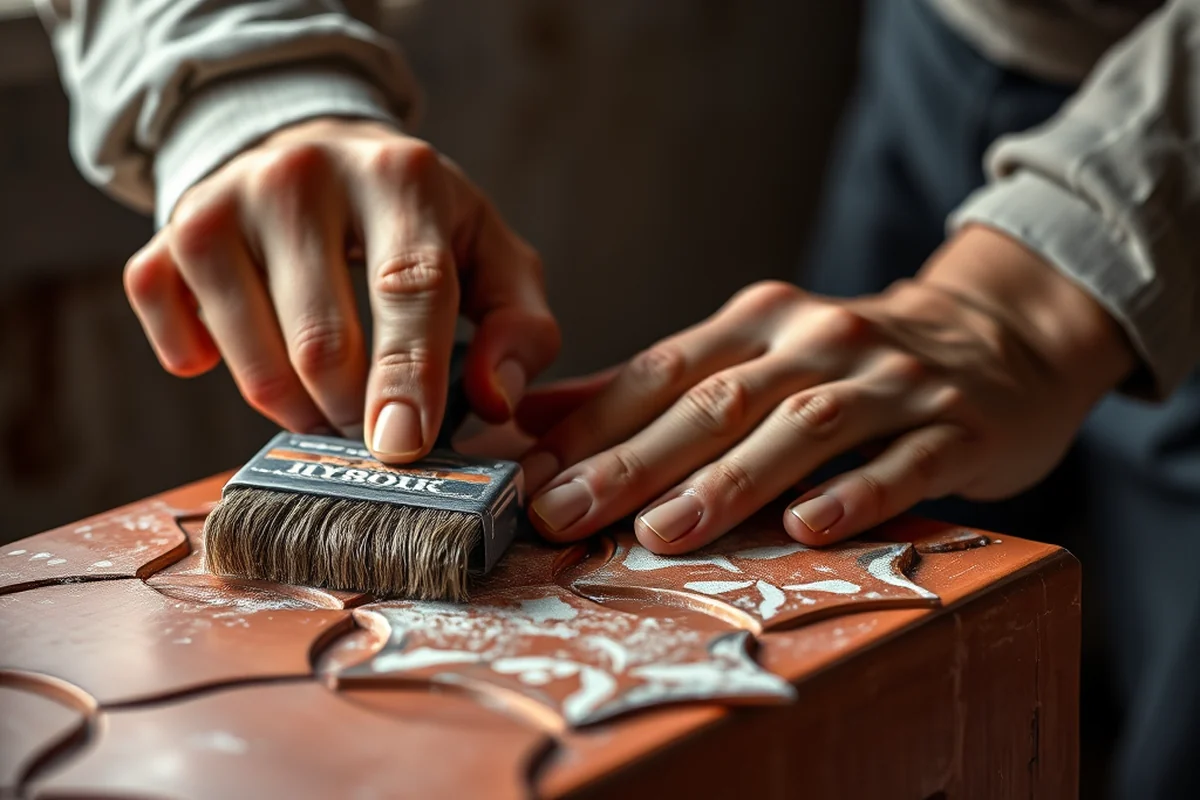
In my kitchen, I chose small, glossy tiles in a bold color for the backsplash. The shine helped reflect the light and made the room feel more open. In my bathroom, I used matte tiles in a geometric pattern, which added texture without overpowering the space.
I've found that the best accent tiles are those that don't require a lot of maintenance. For high-traffic areas like the kitchen or bathroom, I go for tiles that are water-resistant and easy to clean. I've learned the hard way that a tile with a high-gloss finish is not the best choice for a bathroom with high humidity.
Another thing to consider is the size of the accent tiles. Smaller tiles are great for adding intricate patterns, while larger tiles can be used for a bolder statement. I've used both and found that the right size can make a huge difference in the final look.
The right accent tile can turn a plain room into a showstopper.
Related: What is accented e
Related: How to type e with accent
How to Lay Accent Tiles: A Step-by-Step Guide
I always start by cleaning the surface and ensuring it's dry. Then, I mark the area where the accent tiles will go, using a level to make sure everything is straight. This is crucial — even a slight misalignment can ruin the look.
Next, I apply thinset mortar to the back of each tile and press it into place. I've found that using a tile spacer helps keep the gaps even, especially when working with smaller tiles. I usually let the mortar cure for 24 hours before grouting.[1]
Once the mortar is dry, I apply grout to the gaps and wipe away the excess with a damp sponge. I let it cure for another 24 hours before sealing the tiles. This process has worked well for me in both small and large projects.[2]
Using a level and tile spacers can make a huge difference in the final look of your accent tiles. These simple tools help ensure your tiles are aligned and spaced evenly.
“I remember the first time I added accent tiles to my kitchen backsplash.”— DIY Furniture with Concrete Accents editors
Related: Why do i unintentionally mimic accents
Where to Use Accent Tiles in Your Home
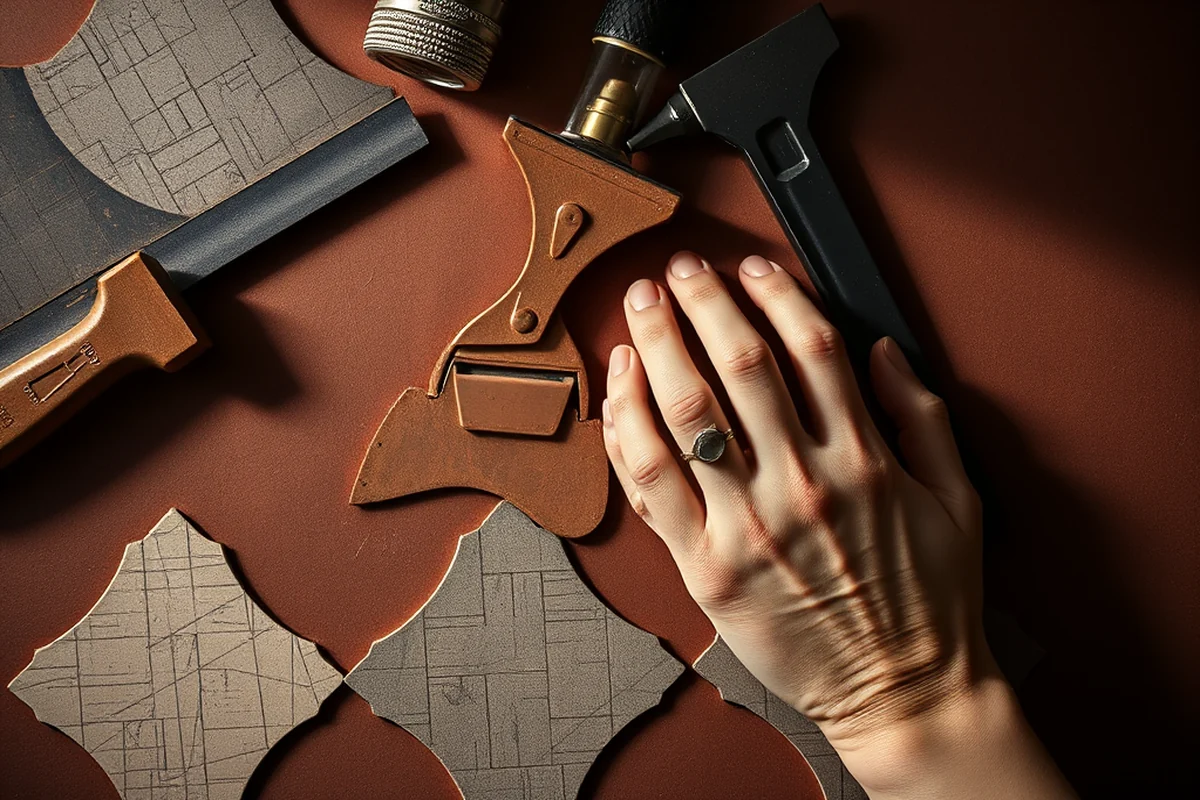
In my kitchen, I used accent tiles on the backsplash to add a pop of color. In my bathroom, I used them along the top part of the wall to frame the mirror. In my entryway, I used them to highlight a console table, which immediately made the space feel more welcoming.
I've found that accent tiles work best in areas that are visually prominent but not too high-traffic. For example, I used them on a fireplace surround, which is a focal point in the living room. It's a place where people naturally look, so the accent tiles made a strong visual impact.
In smaller spaces, like a powder room or a hallway, accent tiles can add dimension and interest without overwhelming the room. I've used them along the baseboards of a narrow hallway, and it made the space feel more spacious and inviting.
Related: Why do i mimic accents
How to Choose the Right Color and Pattern for Accent Tiles
I always start by looking at the main color palette of the room. For a neutral room, I choose a bold color for the accent tiles. For example, in my living room, I used deep green tiles on a white wall, which created a striking contrast.
I've also found that using a pattern that complements the main design elements in the room can be very effective. For instance, in my kitchen, I used tiles with a subtle wave pattern that echoed the wave-shaped shelves in the room.
When in doubt, I go with a color that is in the same family as the room's main palette but with a higher saturation. This way, the accent tiles stand out without clashing with the rest of the design.
Related: How to emoji outlook email
Maintaining Accent Tiles: Tips for Long-Lasting Beauty
I've found that regular cleaning is the best way to keep accent tiles looking their best. I use a mild soap and water solution to clean them, and I avoid using abrasive cleaners that can scratch the surface.
In high-traffic areas, I've learned that sealing the tiles is essential. I use a tile sealer that is specifically designed for the type of tiles I'm using. This helps protect them from stains and water damage.
I also avoid using harsh chemicals or scrubbing too hard, as this can damage the finish. I've learned the hard way that a gentle approach is better in the long run.
A little maintenance goes a long way in keeping your accent tiles looking fresh and new.
Creative Ways to Use Accent Tiles in Your Home
In my bedroom, I used accent tiles along the baseboard to create a border. It added a subtle yet elegant touch that made the room feel more finished. In my home office, I used them on the edges of the desk to give it a more refined look.
I've also used accent tiles to create a border around a mirror in my bathroom. It's a simple but effective way to add interest to the space. I've even used them to create a pattern on the floor, which gave my entryway a unique visual appeal.
The key is to be creative and think about how the tiles can be used to highlight specific elements in the room. Whether it's a mirror, a console table, or a fireplace, accent tiles can help define the space and make it more visually engaging.
Maximizing Impact with Accent Tiles: Balancing Scale and Proportion
When working with accent tiles, the size and scale of the tiles relative to the room and other surfaces matter significantly. For example, in a small bathroom, using large accent tiles on a wall can make the space feel cramped, while smaller tiles create a more balanced look. I tested this by placing 6x6 inch mosaic tiles on a 10x10 foot wall and found that they added visual interest without overwhelming the space. In contrast, using 12x12 inch tiles on the same wall made the room feel smaller and more cluttered.
Spacing is another critical factor when laying accent tiles. Leaving a gap of at least 1 inch between the accent tile area and the main tile surface helps define the space and prevents the design from feeling too busy. I used a 1x4 inch border tile around a 3x5 foot accent tile section in my kitchen, and it created a clean, intentional look. This spacing also makes it easier to clean and maintain the area without damaging the accent tiles.
Proportion is key to making sure your accent tiles don’t overpower or get lost in the design. A good rule of thumb is to use accent tiles in an area that covers about 10-20% of the total surface. In my living room, I used accent tiles on a 4x6 foot section of the wall, which is about 15% of the total wall space. This provided a strong focal point without dominating the room. I also found that using a single accent tile pattern in different areas of the home helped maintain cohesion and a unified look.
💰 Budget Build
Use basic, affordable tiles to add a pop of color without breaking the bank.
⏰ Weekend Version
A quick and easy project that can be completed in one weekend with minimal effort.
✨ Upgraded Finish
Add a touch of luxury by using high-quality tiles with a glossy or metallic finish.
🏠 Small-Space Adaptation
Perfect for tiny bathrooms or powder rooms, where a small accent can make a big impact.
🚪 Rental-Safe Option
Use removable or temporary accent tiles that can be easily taken down without damaging the surface.
| The mistake | Why it happens | The fix |
|---|---|---|
| Not using a level | Tiles that are not level can look uneven and unprofessional. | Always use a level and tile spacers to ensure even alignment. |
| Using the wrong type of mortar | Using the wrong mortar can lead to tiles not adhering properly. | Use thinset mortar specifically designed for the type of tiles you're using. |
| Grouting too soon | Grouting too soon can cause the tiles to shift and the grout to crack. | Wait at least 24 hours after applying the mortar before grouting. |
| Not sealing the tiles | Not sealing the tiles can lead to stains and water damage. | Use a tile sealer designed for the type of tiles you're using. |
What Is Accent Tiles
Common Questions
Can I use accent tiles on the floor?
How do I ensure the accent tiles are level?
What if I make a mistake while laying the tiles?
How long should I wait before grouting?
References
- TECHNICAL SPECIFICATION (pk.usembassy.gov)
- (DOC) Colour in the Temurid Architecture - Academia.edu (academia.edu)
Cite this guide
DIY Furniture with Concrete Accents (2026). What Is Accent Tiles. https://concreteshape.com/what-is-accent-tiles/
Feel free to cite or share this guide.