
What Is Accent Flavor Enhancer
📖 Table of Contents
- What Exactly Are Concrete Accents in Furniture?
- How to Choose the Right Concrete for Your Project
- The Process of Making Concrete Accents
- Creative Ways to Use Concrete Accents in Furniture
- Tips for Working with Concrete
- Maintenance and Care for Concrete Accents
- Final Thoughts on Using Concrete Accents in Furniture
- Make It Your Way
- Frequently Asked Questions
I remember the first time I stumbled upon the idea of using concrete accents in furniture — it felt like a revelation. I had just spent a weekend trying to build a simple coffee table out of reclaimed wood, and it looked good, but I felt something was missing. That’s when I discovered the concept of using concrete as an accent — not just a functional element, but a way to add texture, weight, and character. The idea of 'what is accent flavor enhancer' might sound a bit out of place here, but in the world of DIY and furniture, the analogy works surprisingly well. Just as flavor enhancers can elevate the taste of a dish, accent elements — like concrete — can elevate the look and feel of a piece of furniture.
Concrete is not just for countertops and floors. When used as an accent, it can transform a plain piece of furniture into something unique and grounded. I remember experimenting with concrete for the first time — pouring it into a mold I had made from scrap wood, and watching as it hardened into a solid, tactile surface. The process was simple, but the result was eye-catching. It added a sense of weight and permanence to my projects, something I had never achieved with paint or wood alone. And as I continued to explore, I realized that concrete could be molded, shaped, and colored in a way that allowed for endless creative possibilities.
If you're like me, you're probably thinking: 'What is accent flavor enhancer in the context of DIY furniture?' Well, it's not about taste — it's about texture, weight, and visual impact. In the same way that a dash of salt can elevate a bland dish, the right accent can elevate a plain piece of furniture. I’ve learned that the key is in the balance — using concrete accents sparingly, in a way that complements rather than overwhelms. This is where the real magic happens. Whether it's a concrete table base, a statement light fixture, or a decorative shelf, the right accent can turn an ordinary project into an extraordinary piece of furniture.
Why You'll Love This ...
- Adds a modern, industrial aesthetic to your furniture
- Can be customized in color, shape, and texture
- Adds durability and weight for a grounded feel
- Easy to make with minimal tools and materials
What Exactly Are Concrete Accents in Furniture?
As of October 2026, Concrete accents are more than just a trend — they're a way to add depth and character to furniture. These accents can be as simple as a concrete base for a table or as elaborate as a sculptural element on a chair. I’ve found that using concrete in furniture adds a sense of weight and permanence that's hard to achieve with other materials. The texture of concrete also offers a tactile contrast that’s both inviting and modern.
One of the things I love about concrete accents is that they can be customized. I've experimented with mixing in different pigments to create unique colors, and even embedding objects like metal wire or glass shards into the concrete for a more artistic look. The result is a piece that feels both handmade and modern. It's a great way to personalize a piece of furniture without the need for expensive materials.
I've also discovered that concrete accents can serve a functional purpose beyond aesthetics. For example, I made a coffee table with a concrete base that not only looked great but also provided additional stability. The weight of the concrete made the table feel more grounded and durable. It was a simple addition, but it made a big difference in the overall look and feel of the piece.
Invest in a mold or create one from wood or plastic to ensure your concrete accent has a consistent shape and size. This is especially useful for creating multiple identical accents for a single project.
Part of our Accents outlook guide.
How to Choose the Right Concrete for Your Project
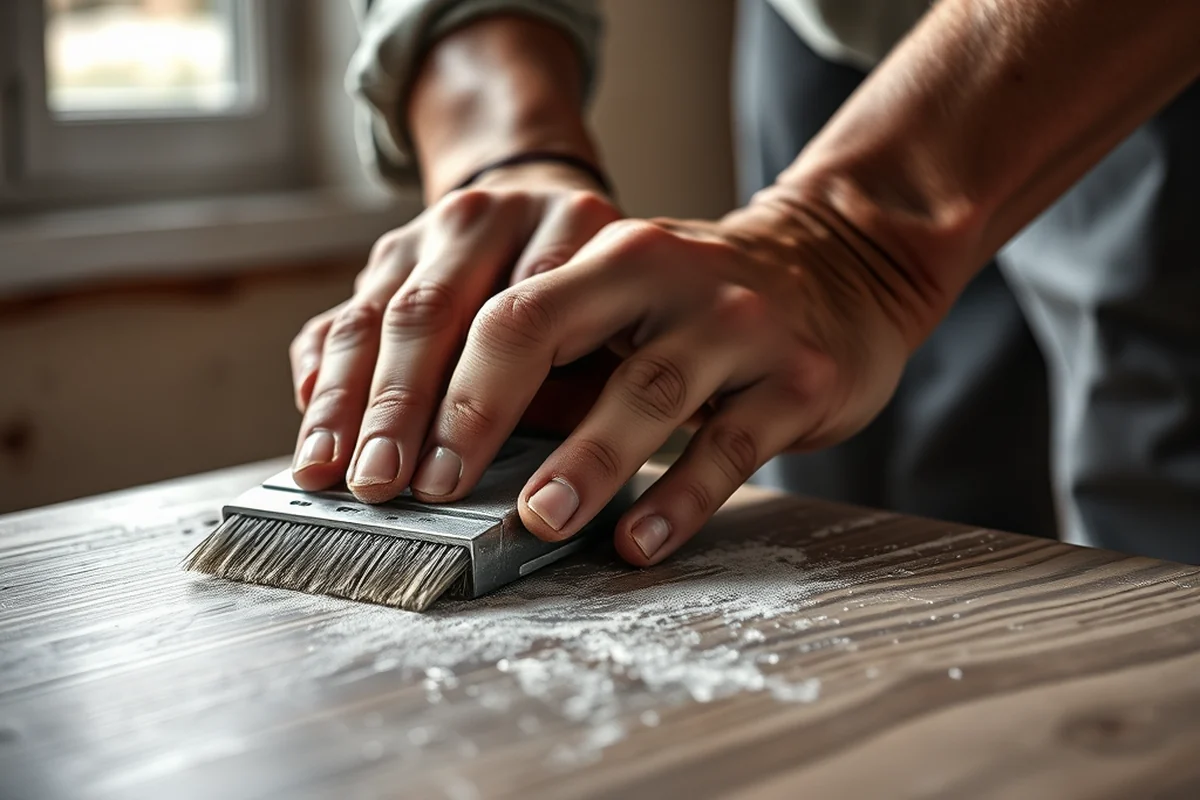
Not all concrete is the same, and choosing the right type can make a big difference in the outcome of your project. I’ve learned that for furniture accents, it's best to use a fast-setting concrete mix that's designed for DIY use. These mixes are typically easier to work with and set quickly, which is ideal for weekend projects. I’ve used a few different brands, and the ones that dry within 24 hours are my favorites for small accents.[1]
Another thing to consider is the strength of the concrete. I’ve found that using a high-strength mix is especially important for accents that will need to support weight, like a table base. I once used a standard concrete mix for a shelf base, and after a few weeks, it started to crack under the weight of the books. That taught me the importance of selecting a strong, durable mix for functional accents.
Color is another factor to consider. While some concrete mixes come pre-colored, I prefer to use a white or light-colored base and add pigments to achieve the color I want. This gives me more control over the final look. I’ve used both powder and liquid pigments, and I find that powder pigments are easier to mix into the concrete for a more even color.
Choose your concrete wisely — it's the foundation of your accent.
Related: Why do i mimic accents
The Process of Making Concrete Accents
The process of making a concrete accent is surprisingly straightforward. I usually start by preparing a mold — I've used everything from plastic containers to wooden boxes. Once the mold is ready, I mix the dry ingredients with water, making sure to follow the manufacturer's instructions closely. I've found that mixing the concrete thoroughly is essential to avoid air bubbles and ensure a smooth finish.
After mixing, I pour the concrete into the mold and use a trowel to smooth the surface. I've also learned that tapping the sides of the mold gently helps release any trapped air bubbles. Once the concrete is in the mold, I let it set for about 20-30 minutes before removing it from the mold. This step is crucial to avoid damaging the fresh concrete.
Finally, I let the concrete cure for at least 24 hours before using it. I've discovered that curing the concrete in a dry, well-ventilated area helps it harden more evenly. I’ve also experimented with using a concrete sealer after the curing process, which gives the surface a polished look and makes it more resistant to stains and water.[2]
Applying a sealer after the concrete has cured can give it a smooth, glossy finish and protect it from moisture and stains. I’ve used a clear sealer on my accents, and the difference in appearance is noticeable.
“I remember the first time I stumbled upon the idea of using concrete accents in furniture — it felt like a revelation.”— DIY Furniture with Concrete Accents editors
Related: What is accent tiles
Creative Ways to Use Concrete Accents in Furniture

One of the most common uses for concrete accents is as table bases. I’ve made several table bases with different shapes and sizes, and each time I was impressed by how well they complemented the wood tops. The contrast between the smooth, cool concrete and the warm wood was striking and added a modern touch to the furniture.
I’ve also used concrete for decorative elements like shelves, chair legs, and even lamp bases. One of my favorite projects was adding a concrete shelf to an old wooden bookcase. The shelf not only looked great, but it also added extra weight to the bookcase, making it feel more stable. Another project I did was replacing the legs on an old chair with concrete legs — the result was a bold, industrial look that transformed the chair completely.
Another creative way to use concrete accents is by incorporating them into lighting fixtures. I made a pendant light with a concrete base and metal arms, and the combination of materials created a unique, sculptural look. It was a great way to add a personal touch to my living room without breaking the bank.
Related: How to type e with accent
Tips for Working with Concrete
One of the most important things I've learned is to work quickly when mixing and pouring concrete. Once it starts to set, it becomes much harder to work with, so I try to complete the process as quickly as possible. I've found that using a concrete mix that sets in about an hour is ideal for small accents, as it gives me enough time to shape and smooth the surface before it hardens.
Another tip is to use a mold that’s slightly larger than the final size you want, as concrete tends to shrink slightly as it dries. I've made the mistake of using a mold that was too tight, and the result was a slightly smaller piece than I intended. To avoid this, I now add a little extra space to the mold dimensions.
Finally, I’ve discovered that keeping the surface of the concrete wet during the initial curing process helps prevent cracks. I do this by misting the surface with water every few hours for the first few days. This technique has worked well for me and has resulted in smoother, more even finishes.
Related: How to emoji outlook email
Maintenance and Care for Concrete Accents
Once your concrete accents are installed, it's important to take care of them to ensure they last. I’ve found that keeping them clean and dry is the best way to maintain their appearance. If they get dirty, I use a soft cloth and mild soap to wipe them down. I avoid using harsh chemicals or abrasive materials, as these can damage the surface.
I’ve also learned that sealing the concrete is essential for long-term durability. I use a clear sealer that I apply in thin, even coats. I’ve found that sealing the concrete every few months helps protect it from moisture and stains. It’s a simple step that makes a big difference in how well the accents hold up over time.
Another thing I’ve noticed is that concrete can be prone to cracking if it’s exposed to extreme temperature changes. I try to avoid placing my accents in areas that are prone to direct sunlight or extreme cold. If I can’t avoid it, I try to use a sealer that offers some protection against temperature fluctuations.
A little care goes a long way in keeping your concrete accents looking great.
Related: What is accented e
Final Thoughts on Using Concrete Accents in Furniture
After experimenting with concrete accents on multiple projects, I’ve come to appreciate how much they can elevate the look and feel of a piece of furniture. They add a unique texture, weight, and durability that other materials can’t always achieve. I’ve used them on tables, shelves, chairs, and even lighting fixtures, and each time I’ve been satisfied with the results.
One of the biggest advantages of using concrete accents is that they’re relatively easy to make with minimal tools and materials. I’ve found that even beginners can create beautiful accents with just a few simple steps. I’ve also learned that the right mix of strength and creativity can result in stunning pieces that look like they were made in a high-end workshop.
If you're looking for a way to add a modern, industrial touch to your furniture, I highly recommend experimenting with concrete accents. They’re a great way to personalize your projects and create something that feels both unique and durable. I’ve seen my own projects transform with the addition of a well-crafted concrete accent, and I know you’ll be amazed by the results too.
💰 Budget Build
Use affordable materials and simple molds to create a basic concrete accent that adds texture without breaking the bank.
⏰ Weekend Version
Complete a simple concrete accent in a single day using fast-setting mix and minimal tools for a quick project update.
✨ Upgraded Finish
Add color, texture, and polish with pigments and sealers for a high-end look that elevates your furniture.
🏠 Small-Space Adaptation
Create compact concrete accents that fit perfectly into small living areas without overwhelming the space.
🔒 Rental-Safe Option
Make temporary concrete accents that can be removed and stored easily, perfect for renters or temporary spaces.
| The mistake | Why it happens | The fix |
|---|---|---|
| Using too much water in the mix | Adding too much water can weaken the concrete and cause it to crack or shrink as it dries. | Stick to the manufacturer's recommended water-to-cement ratio to ensure a strong, durable mix. |
| Not using a mold | Without a mold, it's difficult to achieve a consistent shape, and the concrete may not set properly. | Use a mold or create one from materials like plastic or wood to ensure even results. |
| Skipping the sealer | Unsealed concrete is more prone to staining and water damage, which can affect its appearance and durability. | Always apply a sealer after the concrete has fully cured to protect it from moisture and stains. |
| Pouring the concrete too quickly | Pouring the concrete too quickly can trap air bubbles in the mix, which can cause cracks and weaken the structure. | Take your time when pouring the concrete and use a trowel to smooth the surface and release any trapped air. |
What Is Accent Flavor Enhancer
Common Questions
Can I use regular concrete mix for this project?
How long does it take for the concrete to cure?
What tools do I need for this project?
Can I paint the concrete after it's cured?
References
- (PDF) Seasonings and Flavorings - Academia.edu (academia.edu)
- TECHNICAL SPECIFICATION (pk.usembassy.gov)
Cite this guide
DIY Furniture with Concrete Accents (2026). What Is Accent Flavor Enhancer. https://concreteshape.com/what-is-accent-flavor-enhancer/
Feel free to cite or share this guide.