
What Is Accent Table
📖 Table of Contents
- What Exactly Is an Accent Table?
- Why You Should Consider Building Your Own Accent Table
- How to Choose the Right Materials
- Adding Personality Through Design
- The Importance of Scale and Proportion
- How to Make Your Accent Table More Functional
- Creating a Cohesive Look with Your Accent Table
- Make It Your Way
- Frequently Asked Questions
I remember the first time I saw an accent table in a friend’s living room — it was small, but it held a statement. It sat between two armchairs, not too big to feel overwhelming, not too small to be ignored. What struck me wasn’t just its design, but the way it brought the room together. That’s when I realized what an accent table is: a functional piece of furniture that adds personality, balance, and charm to a space. It’s not the main event, but it’s the detail that makes all the difference.[1]
I’ve since built several accent tables, from simple DIY builds to more elaborate versions with concrete accents. Each one has taught me something new about scale, materials, and how even the smallest furniture can transform a room. If you’ve ever wondered what an accent table is, it’s this: a versatile, decorative table that serves a purpose beyond just holding things. It’s a way to inject character into a space without making a bold statement. That’s the beauty of an accent table — it’s subtle, but it speaks volumes.[2]
What I love about accent tables is their adaptability. They can be made from wood, metal, concrete, or even repurposed items. The key is to find one that fits your aesthetic and your needs. Whether you’re using it to hold a lamp, a plant, or a stack of books, an accent table is a quiet but powerful way to elevate a room. It’s a piece that doesn’t demand attention, but when you look closely, you notice how well it works.
Why You'll Love This Accent Table Project
- A quick and satisfying DIY project that can be completed in just one weekend.
- Cost-effective, with materials that can be sourced affordably from local stores or repurposed items.
- Adds a unique, personal touch to your space, enhancing both style and functionality.
- Versatile enough to fit a variety of home decor styles, from rustic to modern.
What Exactly Is an Accent Table?
As of September 2026, at its core, an accent table is a smaller version of a side or coffee table. It's designed to serve a specific purpose — to hold a lamp, a vase, or a collection of books — while adding character to the space. Unlike a main table, which might be the centerpiece of a room, an accent table is more about balance and complement. In my experience, the best accent tables are those that don’t scream for attention but still make a statement.
I once built an accent table for a client who wanted a modern look but didn’t want to spend too much. I used leftover wood from a previous project and painted it in a bold color. It turned out to be a hit — it added a pop of color without overpowering the room. The key is to pick a table that matches your style but also complements the other furniture in the space.
The real magic of an accent table lies in its versatility. It can be placed near a window, beside a couch, or even tucked into a corner. It’s a small investment that can make a big impact on the overall look and feel of a room.
When selecting or building an accent table, measure the space carefully to ensure it fits without feeling cramped or out of place. A table that’s too large can overwhelm a room, while one that’s too small can be ignored.
Why You Should Consider Building Your Own Accent Table
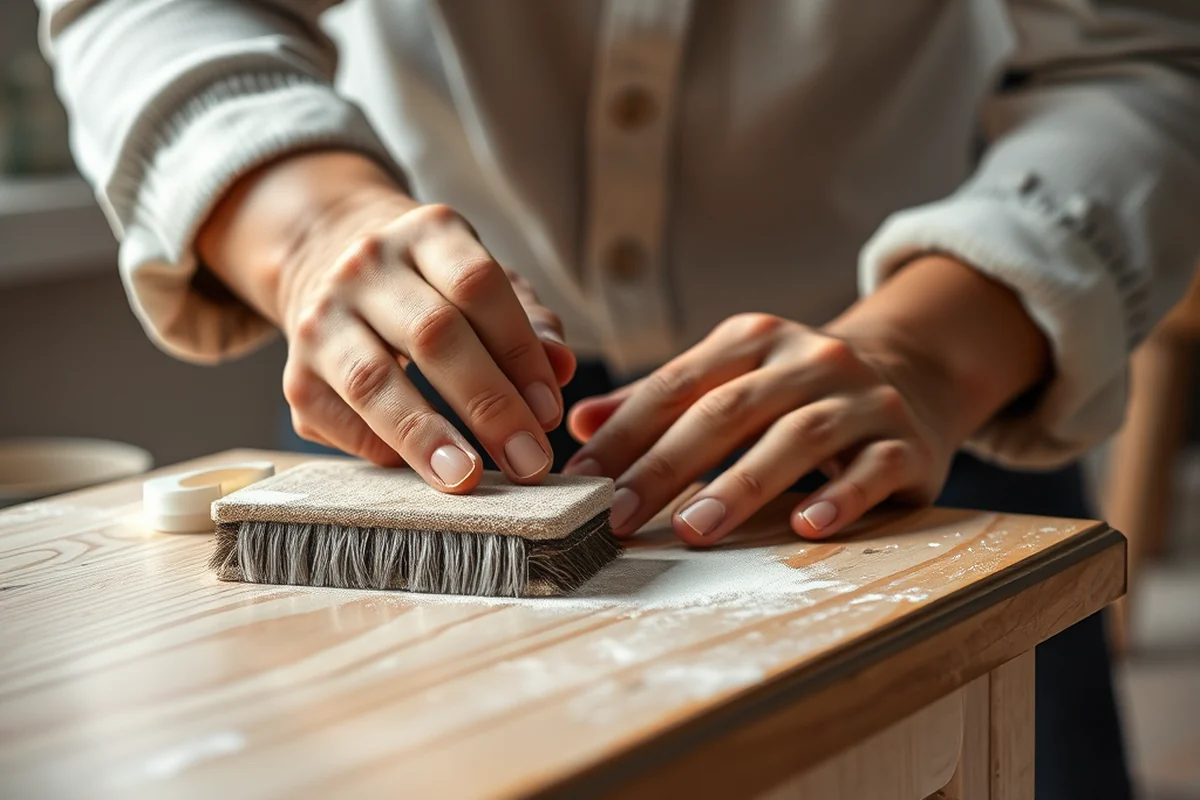
I've always believed that DIY furniture is a great way to express your personality and make your home feel more like yours. When you build your own accent table, you can choose the materials, color, and design that best suit your style. I once built a concrete accent table using old bricks and found that the texture and color added a unique touch that couldn’t be found in a store.
Another benefit of building your own accent table is the cost. Store-bought options can be expensive, but with a little creativity and some basic tools, you can make a beautiful accent table for a fraction of the price. I’ve made several using wood, concrete, and even repurposed materials, and each one turned out better than I expected.
Building your own accent table also gives you the satisfaction of knowing that you created something with your own hands. It’s a small but meaningful way to invest in your home and your skills as a DIYer.
DIY gives you a unique voice — one that store-bought furniture can’t match.
Related: Concrete accents
Related: Concrete abstract garden accents
Related: Special characters keyboard
Related: Round accent table
How to Choose the Right Materials
When building an accent table, the choice of material is crucial. I’ve used everything from wood to concrete, and each material brings a different look and feel to the table. For example, a wood accent table can be painted or stained to match your decor, while a concrete table has a more industrial or modern appeal.
Concrete is one of my favorites for accent tables because of its durability and unique texture. I once mixed my own concrete for a project and added color pigments to make it stand out. The result was a table that looked like it belonged in a modern art gallery, and it was incredibly sturdy.
When choosing materials, think about how the table will be used. If it’s going to be in a high-traffic area, you’ll want something durable. If it’s a more decorative piece, you can be more creative with your choices.
Before choosing your materials, consider where the table will be placed and how it will be used. A table in a living room can be more decorative, while one in a kitchen may need to be more functional and durable.
“I remember the first time I saw an accent table in a friend’s living room — it was small, but it held a statement.”— DIY Furniture with Concrete Accents editors
Related: Diy home accents
Adding Personality Through Design

Design is where your personality comes into play. Whether you’re going for a rustic look with wooden accents or a sleek, modern design with concrete and steel, the details matter. I once added a unique design to an accent table by carving intricate patterns into the wood — it turned the table into a focal point in the room.
Another way to add personality is through color. I’ve experimented with bold colors and even used paint with metallic finishes. The results were stunning — the tables became eye-catching pieces that brought a room together. I’ve found that even a simple paint job can transform a plain table into something special.
The key is to find a balance between style and functionality. A table that looks great but isn’t practical may not serve its purpose well. I’ve learned that a well-designed accent table should be both beautiful and useful.
The Importance of Scale and Proportion
Scale and proportion are essential with accent tables. A table that’s too large for a small space can feel overwhelming, while one that’s too small can be overlooked. I’ve had to adjust the size of several accent tables to make sure they fit well in different rooms. It’s all about finding the right balance.
I once built an accent table for a client who wanted something that would fit in a cozy corner of their living room. I made it slightly smaller than a standard table to ensure it wouldn’t look out of place. The result was a table that felt like a natural part of the room, not an afterthought.
The size of the table also depends on the other furniture in the room. I’ve found that a table with a height that matches the nearby chairs or sofas tends to look more cohesive. It’s a small detail, but it can make a big difference in the overall look of the space.
How to Make Your Accent Table More Functional
Functionality is just as important as style with an accent table. I’ve built several with drawers or shelves to make them more useful. One of my favorites had a small drawer that was perfect for holding remote controls, keys, and other small items. It turned a simple table into a multi-functional piece of furniture.
Another way to make your accent table more functional is by using it for storage. I once added a small shelf to an accent table that was placed near the TV. It became a great spot for holding books, magazines, and even a small lamp. The added storage made it much more useful than it would have been otherwise.
I’ve also seen people use accent tables for things like charging stations or even mini desks. It’s amazing how a small table can be transformed into something much more useful with the right additions.
A little extra space can turn an accent table into a workhorse of a piece.
Creating a Cohesive Look with Your Accent Table
One of the best ways to use an accent table is to make it part of a larger design scheme. I’ve found that when a table matches the other furniture in the room, it looks more intentional. For example, if your living room has a modern design with clean lines, an accent table with a similar style will tie everything together.
Color is also important with creating cohesion. I’ve used accent tables in different shades of the same color to make the space feel more connected. A table in a slightly darker tone can act as a subtle anchor for the room, while one in a lighter shade can add a sense of openness.
Textures and materials also play a role in creating a cohesive look. I once built an accent table with a wooden top and a metal base, and it worked well with the other furniture in the room. The mix of materials added depth without making the space feel cluttered.
💰 Budget Build
Use salvaged wood and paint to create a stylish accent table for under $30.
⏰ Weekend Version
A quick and simple build using pre-made kits and basic tools.
✨ Upgraded Finish
Add a concrete top and polished wood base for a modern, high-end look.
🛋️ Small-Space Adaptation
A compact, wall-mounted accent table that’s perfect for small apartments.
📦 Rental-Safe Option
A foldable or portable accent table that’s easy to move and won’t damage rental floors.
| The mistake | Why it happens | The fix |
|---|---|---|
| Choosing the wrong size for the space. | An accent table that’s too large can overwhelm a room, while one that’s too small can be ignored. | Measure the space carefully and consider the scale of the room before choosing a size. |
| Using low-quality materials. | Cheap materials can lead to a table that looks and feels cheap, and may not be durable. | Invest in quality materials or repurpose items that are already sturdy and well-made. |
| Overlooking functionality. | A table that looks great but isn’t useful may not serve its purpose well in a home. | Consider how the table will be used and add features like drawers or shelves if needed. |
| Ignoring the overall design of the room. | An accent table that doesn’t match the room’s style can feel out of place and not cohesive. | Ensure the table matches the other furniture in the space in terms of color, texture, and style. |
What Is Accent Table
Common Questions
Can I build an accent table if I have no experience with DIY?
What size should my accent table be?
What materials are best for an accent table?
How long does it take to build an accent table?
References
- How to Write Your First Research Paper - PMC (pmc.ncbi.nlm.nih.gov)
- iDEP 2.50 - South Dakota State University (bioinformatics.sdstate.edu)
Cite this guide
DIY Furniture with Concrete Accents (2026). What Is Accent Table. https://concreteshape.com/what-is-accent-table/
Feel free to cite or share this guide.