
How To Design An Accent Wall
📖 Table of Contents
The first time I tried designing an accent wall, I thought I was just painting a few panels on the back of my bookshelf. But as the weeks went by, I realized the true power of an accent wall — it can transform a room, draw the eye, and even anchor the entire design of a space. I remember standing in my living room, hand still slightly shaky from the brush, and watching the colors deepen and pop in ways I hadn’t imagined. It wasn’t just a wall anymore; it was a statement.[1]
Designing an accent wall doesn’t require a designer’s degree or a trip to the nearest high-end furniture store. It’s about understanding proportion, texture, and the subtle interplay of color. When I first started, I was overwhelmed by the sheer number of options — paint, wood, tile, concrete, and more. But once I narrowed down my vision and picked a few key materials, it became a satisfying weekend project that changed the look of my entire apartment.[2]
Now, I’ve done it a few times, and each time, I’ve learned something new. From the importance of lighting to the right way to layer textures, I’ve realized that an accent wall is more than just a visual element — it’s a canvas for personal expression. If you’re thinking about designing an accent wall for your home, you’re in the right place. This guide is built on real experiences and tested techniques — because I know how much it means to make your space feel just right.
Why You'll Love This Project
- It adds character and depth to any room without breaking the bank
- It gives you a creative outlet to showcase your personal style
- It can be completed in just one weekend with minimal tools and materials
- It’s a great way to experiment with bold colors, textures, or materials
Choosing the Right Wall
As of September 2026, I always start by looking at the room from a distance and identifying the wall that naturally draws the eye. It’s usually the one with the most light, the one that’s centered, or the one that’s opposite the main focal point like a fireplace or window. Once I choose that wall, I think about how much of it I want to cover — a full wall, a section, or even just a vertical strip.
I’ve found that a wall with a lot of natural light is more forgiving with color choices. If the wall is in a darker corner or has a lot of shadows, I tend to go with lighter, more reflective materials or paint. For instance, I once painted a wall in my bedroom with a deep navy blue. It turned out beautifully, but only because the room had enough light to keep it from feeling too heavy.
Also, consider the room’s function. In a living room, you might want a bold, eye-catching accent wall. In a bedroom, a more subdued, textured wall could work better. I once turned an old, cracked plaster wall into a textured accent by using a combination of drywall compound and a sponge texture — it looked incredible and gave the room a vintage feel.
Before you start applying any material, always use a level to ensure your lines are straight and measure the wall carefully. I once skipped measuring and ended up with a wall that looked slanted, which took me an extra day to fix.
Part of our Wood accent guide.
Picking the Perfect Material
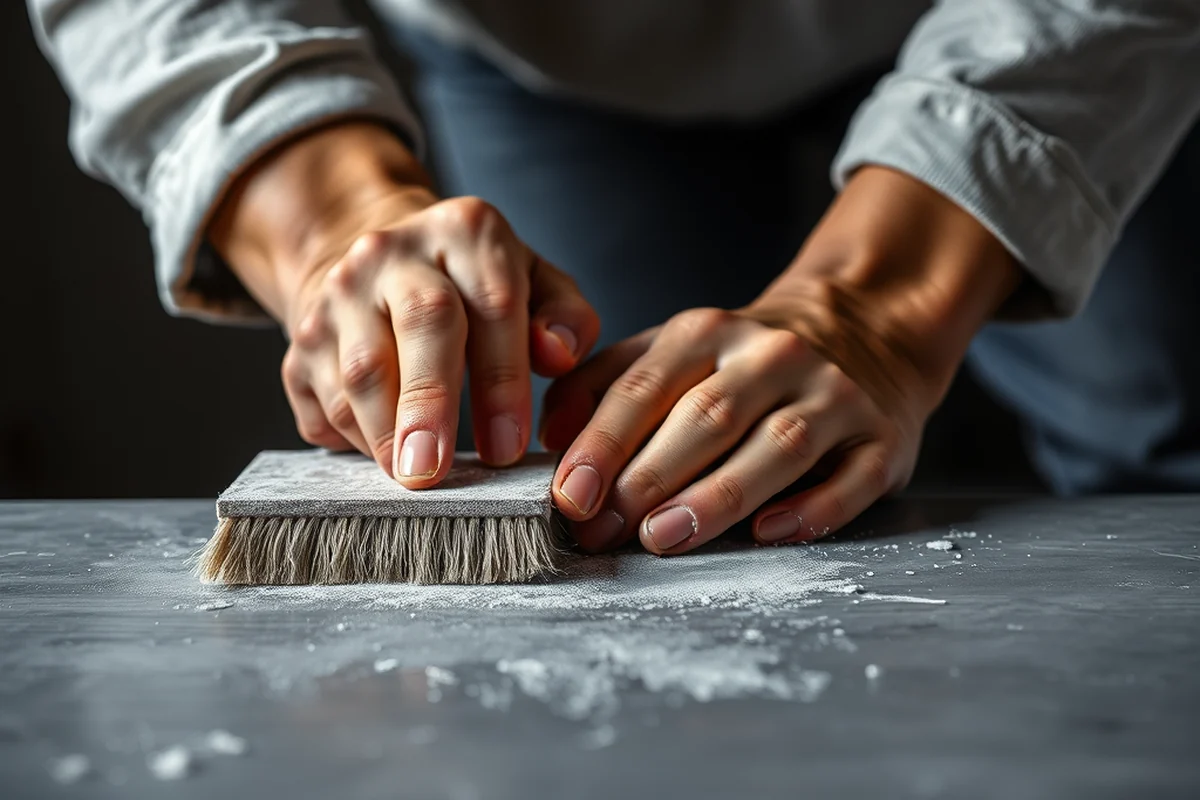
Paint is the most straightforward and cost-effective option. I’ve used bold colors like emerald green and deep red in different rooms, and each time, it made the space feel more dynamic. If you're unsure about a color, I recommend starting with a sample and testing it in different lighting conditions before committing.
Concrete is a great choice if you want a modern, industrial look. I once used a concrete mix on a wall in my kitchen, and it turned out surprisingly elegant. The key was using a mold and mixing the concrete properly — I had to make sure it was the right consistency to avoid cracks or uneven spots.
Wood paneling is another option that adds warmth and texture. I used reclaimed wood for one of my accent walls, and the natural grain and patina gave the room a rustic charm. If I were to do it again, I’d pre-sand the wood and apply a clear coat to protect it from moisture.
The right material can turn a wall into a statement piece in seconds.
Related: Diy geometric accent wall
Layering Textures for Depth
I’ve experimented with combining paint and wood, using a painted wall with wooden shelves or panels on top. It creates a layered look that draws the eye and gives the wall more visual weight. Another trick I’ve used is adding a textured paint finish in one section and leaving the rest flat — it creates a nice contrast.
If you're using concrete, I’ve found that adding a layer of tile or mosaic over the surface can create a dramatic effect. I used small mosaic tiles on a section of my concrete wall, and it looked like a piece of art. Just make sure the tiles are compatible with the material you're using and that the adhesive is strong enough to hold them in place.
I also love using wallpaper to add texture. I once used a grasscloth wallpaper on one of my accent walls, and it added a rich, natural feel to the space. The key was to make sure the wallpaper was properly aligned and that I used a strong adhesive to prevent it from peeling over time.
Always test your textures on a small section of the wall before applying them to the whole thing. I once used a rough texture on a wall and found out it was too harsh for the room’s lighting. By testing first, I was able to adjust and find the right texture that worked for the space.
“The first time I tried designing an accent wall, I thought I was just painting a few panels on the back of my bookshelf.”— DIY Furniture with Concrete Accents editors
Related: Fireplace accent wall ideas
Lighting and Color Harmony
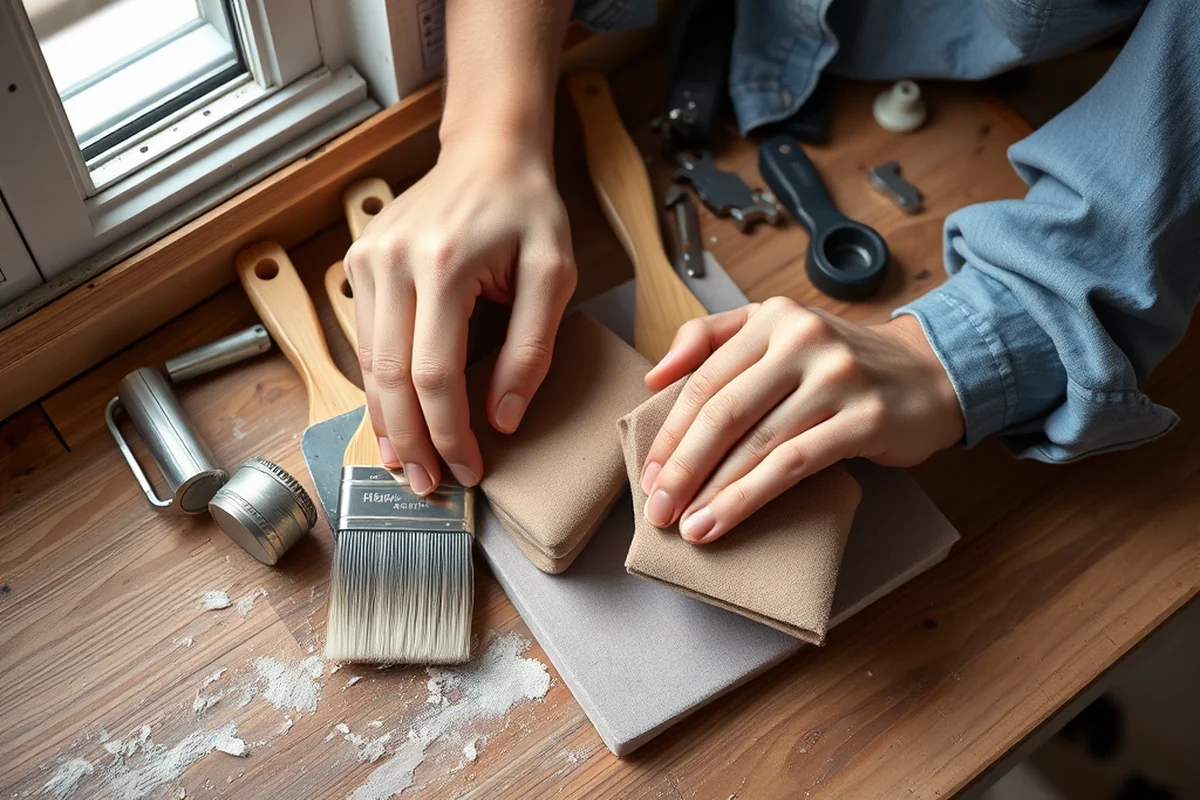
I’ve learned that the lighting in a room can dramatically affect how an accent wall looks. In a room with a lot of natural light, a bold color or texture will shine beautifully. In a room with limited light, it’s better to go with lighter, more reflective materials or use lighting fixtures to highlight the wall.
Color harmony is also important. I always make sure the accent wall complements the other colors in the room. If the rest of the room is neutral, I might go bold with the wall. If the room has a lot of color, I might use a more subdued tone. It’s all about balance and ensuring the wall enhances the overall design rather than clashing with it.
I once painted an accent wall a deep blue, only to realize later that it didn’t match the furniture in the room. I had to repaint it with a lighter tone, which was a bit of a pain, but it was worth it. Now, I always take the time to check the color against the room’s furniture and decor before making a final decision.
Related: Diy home accent wall
Incorporating Decor and Accessories
I love adding shelves, mirrors, or art to my accent walls. It adds personality and makes the wall more functional. I once built a floating shelf on top of my accent wall and hung a few decorative pieces on it — it made the wall feel more dynamic and gave me a place to display my favorite items.
Mirrors are another great addition. I’ve used large, framed mirrors on my accent walls to create the illusion of more space and to reflect light. In a small room, this trick can make a huge difference. I once added a mirror to a narrow wall and it felt like the room had more depth and light.
Art is another way to improve your accent wall. I’ve hung a mix of framed photos, paintings, and abstract pieces on my accent walls, and it’s always been a conversation starter. The key is to make sure the art is cohesive in style and color — I’ve found that a mix of styles can look cluttered if not done carefully.
Related: Diy concrete accent wall
Maintaining the Wall Over Time
I’ve learned that even the most beautiful accent walls require some upkeep. If you’ve used paint, I recommend using a high-quality paint that’s resistant to fading and chipping. I once used a cheap paint and had to repaint the wall after just a few months because the color started to dull.[3]
For textured walls, like those with concrete or wood, I’ve found that regular cleaning and maintenance are important. I use a soft cloth and a mild cleaning solution to wipe down my accent walls, and I avoid using harsh chemicals that could damage the material. I’ve also learned to avoid placing anything too heavy on the wall, especially if it’s made of wood or concrete.
If you’ve used wallpaper or tile, I recommend checking for any signs of wear or damage regularly. I once noticed a small tear in a wallpaper accent wall and patched it before it spread. It’s always better to catch small issues early rather than wait for them to become bigger problems.
A little maintenance can keep your accent wall looking fresh for years.
Related: Diy accent wall paint ideas
Experimenting with Patterns and Shapes
I’ve used geometric patterns on a few of my accent walls, and they’ve always turned heads. I once painted a hexagonal pattern on a wall, and it gave the room a modern, playful feel. The key was to make sure the pattern was consistent and that the colors worked well together.
I’ve also used tiles with different shapes to create a mosaic effect on an accent wall. It was a bit time-consuming, but the result was worth it. The tiles added a lot of texture and visual interest to the space. I made sure to plan the layout carefully before applying the tiles to avoid any mistakes.
Another idea I’ve tried is using a mix of different materials to create a patchwork effect. For instance, I used a combination of paint, wood, and fabric on one wall, and it created a unique, eclectic look. The key was to make sure the materials complemented each other and didn’t clash.
💰 Budget Build
Use a can of paint and a few pieces of decorative molding to create a simple, affordable accent wall.
⏰ Weekend Version
Use a pre-made wood panel kit and a few tools to complete the project in a single day.
✨ Upgraded Finish
Add a layer of gold leaf or metallic paint for a luxurious, high-end look.
🏠 Small-Space Adaptation
Create a narrow vertical accent wall with bold color or texture to make a small room feel more dynamic.
🛡️ Rental-Safe Option
Use removable wallpaper or peel-and-stick tiles that can be easily removed without damaging the wall.
| The mistake | Why it happens | The fix |
|---|---|---|
| Using the wrong type of paint for the wall. | I once used a paint that wasn’t suitable for the wall, and it started peeling after a few weeks. | Always choose the right type of paint based on the wall material and the room’s conditions. |
| Skipping the step of measuring and leveling the wall. | I once skipped these steps and ended up with a wall that looked slanted and uneven. | Always use a level and measure twice before applying any material. |
| Overcomplicating the design with too many patterns or textures. | I once tried to add too many elements to the wall, and it looked cluttered and unbalanced. | Stick to one or two main elements and keep the design cohesive. |
| Not considering the room’s lighting when choosing a material or color. | I once used a dark color in a low-light room, and it made the space feel too heavy and dull. | Test your materials and colors in the room under different lighting conditions before committing. |
How To Design An Accent Wall
Common Questions
Can I use a paint color that I see online without testing it first?
What if I don’t have a lot of space for an accent wall?
What tools do I need to create an accent wall?
How do I make sure the accent wall is centered and straight?
References
- Advanced Energy Retrofit Guide — Healthcare Facilities (docs.nlr.gov)
- Case No. 26-DR-2023 - City of Scottsdale (eservices.scottsdaleaz.gov)
- Dahlonega Historic Preservation Commission Design Guidelines (dahlonega.gov)
Cite this guide
DIY Furniture with Concrete Accents (2026). How To Design An Accent Wall. https://concreteshape.com/how-to-design-an-accent-wall/
Feel free to cite or share this guide.