
Accent Building Materials
📖 Table of Contents
I remember the first time I used concrete to build a custom accent wall in my living room. It felt like I was sculpting a piece of the earth into my home. Concrete isn't just for sidewalks and countertops — it's a versatile, durable material that can be shaped, colored, and textured to fit any space. Whether you're looking to add an industrial edge or a rustic charm, accent building materials like concrete can transform your DIY furniture and home decor in ways you never imagined.
I've spent years experimenting with different types of concrete, mix ratios, and curing methods, and I've learned that the right materials can make or break a project. From the weight of the mix to the curing time, every detail matters. You might not think twice about the difference between a 2800 PSI mix and a 3500 PSI mix. In practice, that extra 700 PSI can mean the difference between a piece that cracks under stress and one that holds up for years.[1]
I'm not just talking about concrete blocks or pre-made pieces. I'm talking about using concrete as an accent material — pouring it into molds, embedding objects, and even using it to add texture to furniture legs or table bases. It's a hands-on process, but the end result is worth it. That's why I'm writing this article: to guide you through the world of accent building materials and show you how to use them effectively in your own DIY projects.
Why You'll Love This Article
- Discover how to choose the right concrete mix for your project based on strength and aesthetics.
- Learn how to use concrete as an accent in furniture and decor, not just for structural purposes.
- Get practical tips on pouring, shaping, and curing concrete for DIY home projects.
- Find out how to incorporate textures, colors, and embedded objects into your concrete work.
Choosing the Right Concrete Mix
As of September 2026, with accent building materials, the type of concrete you choose can significantly impact the outcome. For example, a 3000 PSI mix is ideal for small furniture accents like table bases or shelves, while a 4000 PSI mix is better suited for larger, load-bearing pieces.[2]
I've found that using a mix with a lower water-to-cement ratio (like 0.45) gives a denser, more durable concrete that's perfect for furniture. Higher ratios (like 0.55) create a more workable, less dense material, which is better for decorative accents that don’t need much strength.[3]
I recommend starting with a ready-mix concrete that has a high compressive strength and good slump for easy pouring. You can always adjust it later by adding cement or sand as needed. (1%, programs.iowadnr.gov)[4]
Before purchasing materials, use a concrete calculator to determine how much mix you'll need based on the volume of your project. This helps prevent waste and ensures you get the right amount.
Part of our Wood accent guide.
Adding Color and Texture
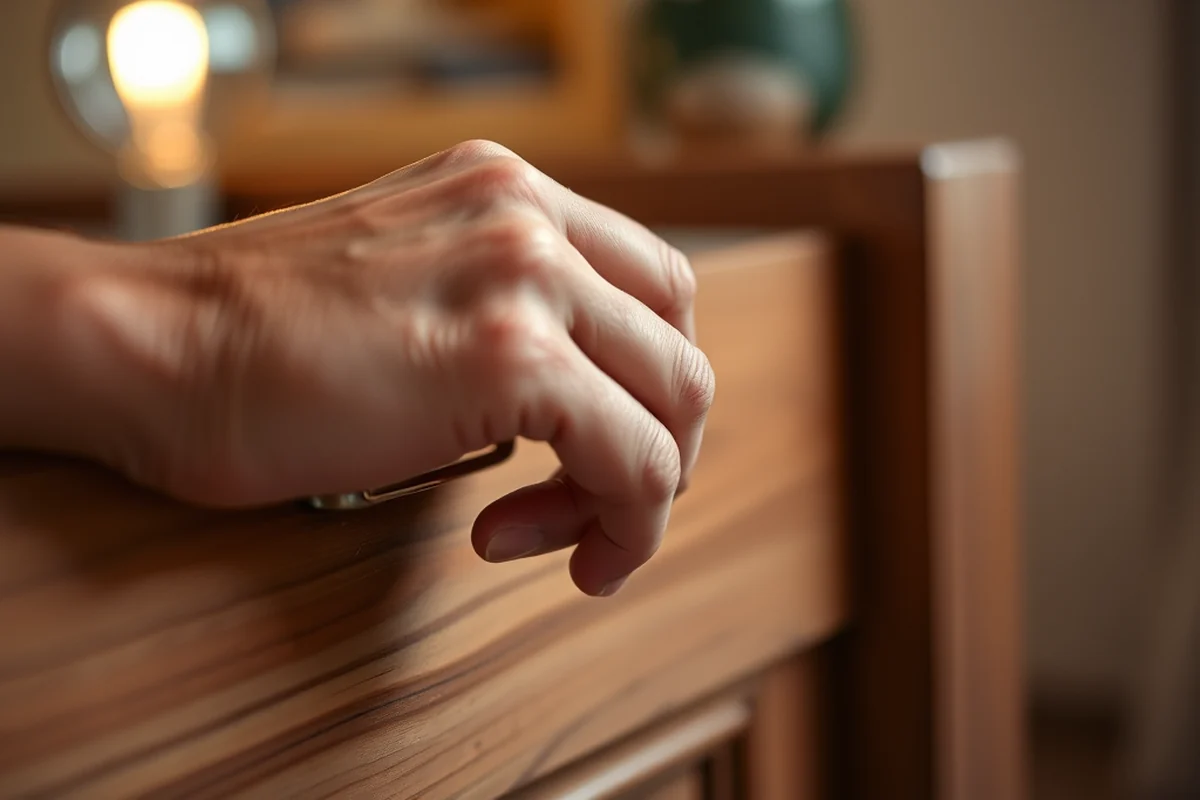
One of the most exciting aspects of working with concrete is the ability to add color and texture. I've used pigments like iron oxide and acrylic-based colorants to tint concrete in shades of gray, red, and even blue — the possibilities are endless.
For texture, I often embed objects like glass, metal, or even wood into the mix. This not only adds visual interest but also gives the concrete a unique, handcrafted feel. I once embedded copper wire into a concrete table base, and the result was stunning.
You can also use stamps or molds to create patterns on the surface. I've used a wooden mold with a carved design to make a concrete shelf that looks like a piece of rustic furniture.
Concrete is a blank canvas — the right color and texture can transform a simple piece into a work of art.
Related: Diy accent wall home depot
Curing Concrete for Strength
Many DIYers skip the curing process, but it's one of the most important steps in any concrete project. I've learned the hard way that not curing properly can lead to cracks and weakness in the final piece.
Curing involves keeping the concrete moist and at a consistent temperature for several days. I've used plastic sheeting and wet burlap to cover my projects during this time, which helps retain moisture and prevents cracking.
I recommend curing your project for at least 7 days, even if the surface appears dry. This gives the concrete time to harden properly and reduces the risk of long-term damage.
Avoid curing concrete in direct sunlight or in areas with high humidity. A cool, dry place with consistent temperatures is ideal for proper curing.
“I remember the first time I used concrete to build a custom accent wall in my living room.”— DIY Furniture with Concrete Accents editors
Related: Diy headboard accent wall
Creating Custom Molds
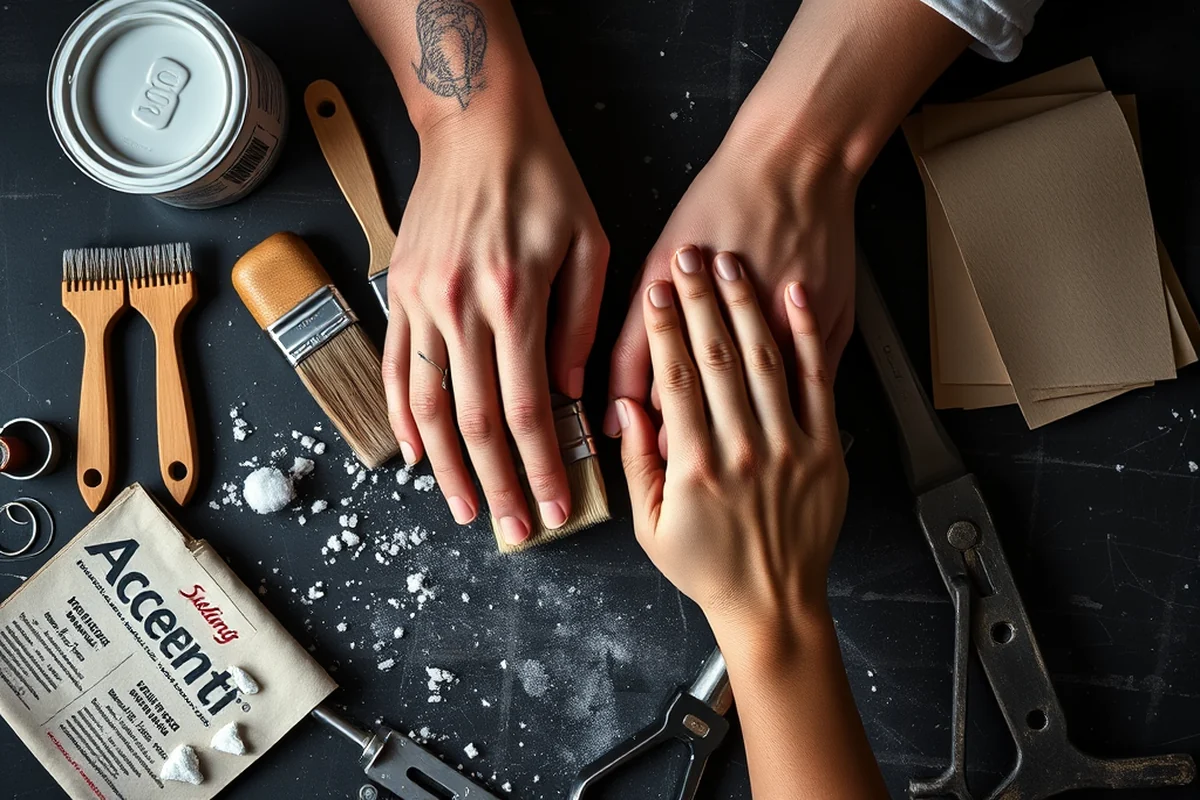
Creating a custom mold is a great way to get the exact shape you want for your project. I've used both wood and silicone molds for different applications — wood is great for small, simple shapes, while silicone is ideal for more intricate designs.
When making a mold, it's important to use a release agent to prevent the concrete from sticking to the mold. I've used a product called 'mold release oil,' which makes it easy to remove the concrete once it's cured.
I once made a custom mold for a concrete table leg, and the result was a smooth, curved leg that looked like it was sculpted by hand. It took some trial and error, but the final product was worth it.
Related: Diy easy accent wall
Embedding Objects in Concrete
One of my favorite techniques is embedding objects into concrete. I've used this method to add decorative elements to table bases, shelves, and even wall accents. The key is to plan where you want the objects placed before pouring the mix.
When embedding objects like metal, I make sure they're clean and dry before placing them in the mold. I've also used a technique called 'cement embedding' to secure the objects in place, which involves wrapping them in a thin layer of concrete before pouring the rest of the mix.
I once embedded a piece of driftwood into a concrete wall accent, and the result was a rustic, natural look that blended beautifully with the rest of the room. It's a great way to add personality to your space.
Related: Diy diamond accent wall
Finishing and Polishing Concrete
After the concrete has cured, it's time to finish and polish it. I've used a variety of tools and techniques to achieve different finishes — from a rough, natural look to a smooth, glossy surface.
I recommend using a concrete sealer after polishing to protect the surface and enhance the color. I've used a water-based sealer that's easy to apply and gives a high-gloss finish without leaving a film on the surface.
Polishing concrete is a time-consuming process, but the results are worth it. I've made a smooth, mirror-like surface on a concrete table top, and it's been a showstopper in any room.
A well-finished concrete piece can look like it was made in a high-end workshop — not a garage.
Related: Diy accent wall ideas with paint
Using Concrete as a Decorative Accent
Concrete is a fantastic material for adding texture and depth to your home. I've used it to create decorative accents like wall panels, floor tiles, and even picture frames.
One of the most striking uses I've seen is a concrete wall panel with embedded glass shards that catch the light and create a subtle glow. It's a simple yet effective way to add visual interest to a room.
I've also used concrete to make a set of decorative shelves with a rough, industrial look. The contrast between the smooth shelves and the rough texture of the concrete was a nice touch and added a unique element to my living room.
Incorporating Recycled Materials into Concrete Projects
Incorporating recycled materials into your concrete projects is not only eco-friendly but also visually striking. I experimented by embedding broken ceramic tiles and glass shards into a concrete countertop, mixing them into the wet concrete at a rate of 10% by volume. This added a mosaic-like effect and allowed the natural colors of the materials to shine through. The tiles were cleaned and broken into smaller pieces to ensure even distribution within the mix.
For a more industrial look, I embedded scrap metal pieces such as nails, screws, and small hardware into a concrete planter. I used a 5-gallon bucket as a mold and added the metal pieces before pouring in the concrete. This technique not only added texture but also created a unique visual contrast between the dark metal and the light gray concrete. The planter was left to cure for 7 days before removal from the mold.
Another option is to use old bricks or stones as aggregate in your concrete mix. I ground up a few old bricks and mixed them into a concrete batch at a 15% ratio. This gave the final product a rustic, earthy look that was perfect for a farmhouse-style table leg. Using recycled materials not only reduces costs but also minimizes the environmental impact of your DIY project, making it a win for both your wallet and the planet.
💰 Budget Build
A cost-effective version using ready-mix concrete and repurposed molds for a DIY accent piece.
⏰ Weekend Version
A quick and simple project that can be completed in a single weekend with minimal tools.
✨ Upgraded Finish
A version with polished concrete and high-end finishes for a professional look.
🛋️ Small-Space Adaptation
A compact version ideal for small spaces, using lightweight concrete mixes and mini molds.
🏠 Rental-Safe Option
A version that is easy to remove and clean, perfect for those renting or living in temporary spaces.
| The mistake | Why it happens | The fix |
|---|---|---|
| Not curing concrete properly. | Improper curing can lead to weak and brittle concrete that is prone to cracking. | Always cure concrete in a cool, dry place and keep it moist for at least 7 days. |
| Using too much water in the mix. | Excess water weakens the concrete and reduces its strength. | Use a consistent water-to-cement ratio and avoid adding more water once the mix is ready. |
| Skipping the use of a mold release agent. | Without a release agent, concrete may stick to the mold, making it difficult to remove and damaging the surface. | Always apply a mold release agent before pouring the concrete into the mold. |
| Embedding heavy objects without proper support. | Heavy objects can cause the concrete to crack or break if not properly supported within the mix. | Use a technique like 'cement embedding' to secure heavy objects in place before pouring the rest of the mix. |
Accent Building Materials
Common Questions
Can I use regular concrete mix for my DIY projects?
How long does it take for concrete to cure?
Can I color concrete after it's poured?
What tools do I need to get started?
References
- (PDF) Architecture for the Poor - An Experiment in Rural Egypt (academia.edu)
- Assessors' Handbook 531: Residential Building Costs (boe.ca.gov)
- Chapter 5 Concrete Structures - Bridge Design Manual M 23-50 (wsdot.wa.gov)
- CODY SHOOTING COMPLEX PHASE 2 - Forms & Applications (programs.iowadnr.gov)
Cite this guide
DIY Furniture with Concrete Accents (2026). Accent Building Materials. https://concreteshape.com/accent-building-materials/
Feel free to cite or share this guide.