
Concrete Accent Wall Ideas
📖 Table of Contents
- How to Prepare Your Space for a Concrete Accent Wall
- Mixing and Pouring the Concrete
- Adding Texture and Color to Your Concrete Wall
- Curing and Finishing the Concrete Wall
- Customizing Your Concrete Wall for Different Spaces
- Creative Applications Beyond the Traditional Wall
- Maintenance and Longevity of a Concrete Accent Wall
- Make It Your Way
- Frequently Asked Questions
The first time I tried building a concrete accent wall, I was convinced I'd made a mistake. The smell of wet cement was overwhelming, and the mess was far more than I had imagined. But after 48 hours, the wall was cured, and I stood back in awe of the raw, industrial beauty I had just created. Concrete accent walls have become one of my favorite DIY projects — they're transformative, durable, and add a bold, modern touch to any room. Whether you're looking to add texture to a minimalist space or create a focal point in a living room, concrete accent walls are a versatile and rewarding choice.[1]
I remember the first wall I built in my home office — it took me a weekend, a few hundred dollars, and some trial and error, but the result was worth every minute. The wall added a sense of groundedness to the space, and it immediately felt more intentional. Concrete isn't just for floors or countertops anymore. It's a material that invites creativity, and with the right techniques, it can be both functional and stunning. I've since used it in multiple rooms, from kitchen backsplashes to bedroom headboards, and each one has been a unique experience.
Concrete accent walls are more than just a trend — they're a statement. They can be customized in texture, color, and even pattern, and they have a timeless quality that makes them a great long-term investment. The process might feel intimidating at first, but once you've gone through it once, you'll find that it's not only doable but also incredibly satisfying. If you're thinking about adding a concrete accent wall to your home, this article will guide you through the steps, materials, and creative ideas that can turn your space into something extraordinary.
Why You'll Love This Concrete Accent Wall Project
- Adds a bold, modern aesthetic without the need for painting or wallpaper
- Increases the value and uniqueness of your space with a custom finish
- Requires minimal tools and materials for a beginner-friendly project
- Creates a durable, long-lasting surface that resists scratches and stains
How to Prepare Your Space for a Concrete Accent Wall
As of November 2026, before you even start mixing cement, it's essential to prepare your space. I always begin by clearing the area and ensuring the surface is clean, level, and free of dust or debris. If the wall is on an existing surface, like drywall or plaster, I use a primer designed for concrete to help the new material bond properly. I also set up a work area with a drop cloth and plastic sheeting to protect the rest of the room from cement spills and dust.
Choosing the right location is equally important. Concrete accent walls work best in areas with good lighting and where the wall can be a focal point, like a living room or entryway. I avoid high-traffic areas unless I'm using a finished surface like polished concrete. A simple way to test if the wall is suitable is to measure the height and width, ensuring the area is manageable for one or two people to work on without strain.
One of the most overlooked steps is the use of a moisture barrier, especially if the wall is on a concrete floor or in a basement. I've learned the hard way that without a barrier, moisture can seep into the wall, causing cracks or discoloration over time. I always invest in a high-quality vapor barrier and apply it with a roller, making sure it's smooth and sealed properly.
If your wall is in a damp area, a vapor barrier is a must. I use a 6-mil plastic sheeting, which is thick enough to block moisture but thin enough to work with.
Mixing and Pouring the Concrete
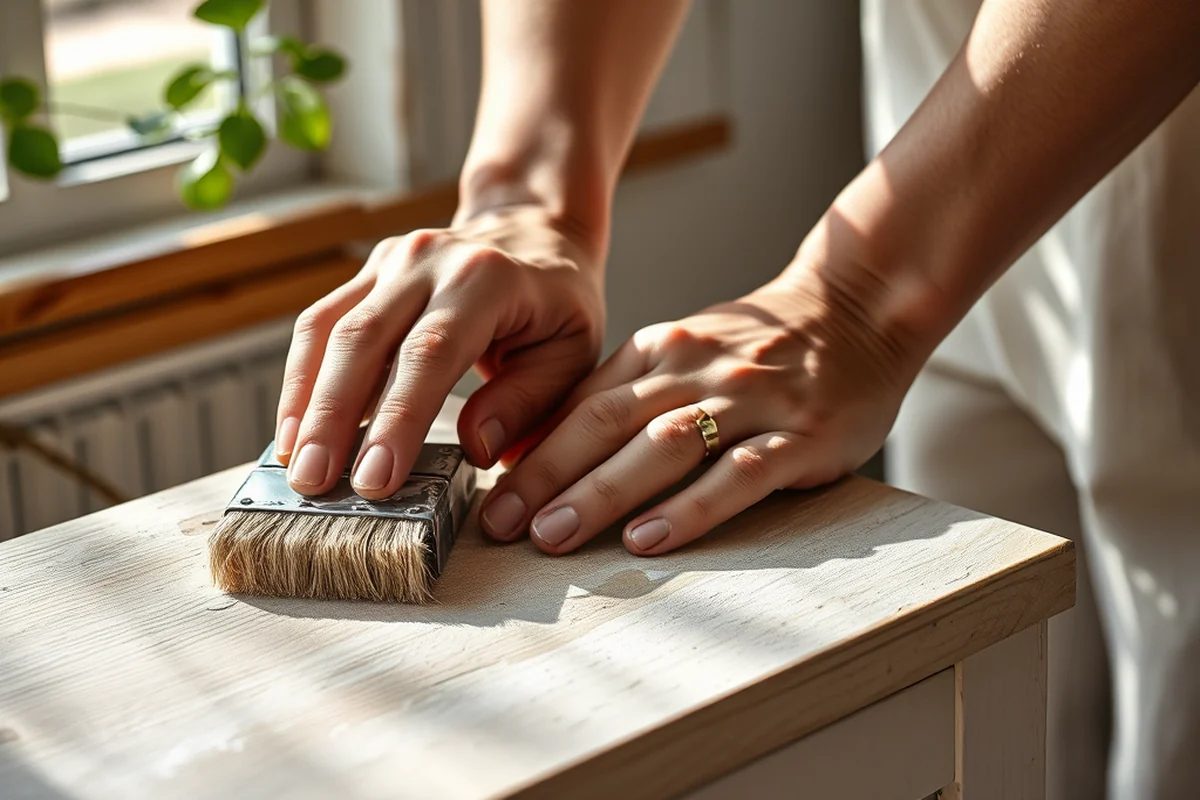
I mix my concrete using a ratio of 1 part Portland cement to 2 parts sand and 0.5 parts water. The consistency should be thick enough to hold its shape but fluid enough to pour smoothly. I always use a concrete mixer if I have one, but if I don't, I mix it by hand in a large bucket, using a trowel to ensure the ingredients are well combined.
Pouring the concrete is a delicate process that requires patience. I pour the mixture into the formwork slowly, making sure it fills all the corners and edges without creating air pockets. I use a long-handled trowel to level the surface and smooth out any bumps or inconsistencies. It's important to work quickly but carefully — concrete sets fast, and you don't want to leave any areas uneven or sloped.
After pouring, I let the concrete sit for about 15-20 minutes before smoothing it with a float. This allows the surface to settle slightly, making it easier to achieve a flat, even finish. I've found that taking this extra step helps reduce the risk of cracks and ensures the wall is as smooth as possible before it cures.[2]
Concrete is like clay — it's only as smooth as your patience allows.
Adding Texture and Color to Your Concrete Wall
One of my favorite ways to add texture to a concrete wall is by using a stamp or texture mat. I've used both polymer stamps and rubber mats, and both work well depending on the pattern I want. I apply a release agent to the mat and press it into the wet concrete, then lift it carefully to leave a detailed imprint. This method is perfect for creating a rustic or decorative look.
Coloring the concrete can be done using integral color pigments or by painting over the cured wall. I've used mica-based pigments mixed directly into the wet concrete, which gives a more natural, embedded color. Alternatively, I've painted with a concrete-specific paint after the wall has fully cured. Either way, the color adds a personal touch that can match your interior design perfectly.
For a more subtle look, I've experimented with embedding items like pebbles or glass shards into the wet concrete before it sets. This technique adds depth and visual interest, but it requires more planning and careful placement to avoid creating weak points in the wall.
I've used mica-based pigments in my projects, which are safe, easy to mix, and give a vibrant, natural color. Use about 10% of the dry cement weight for a bold look, or 5% for a more subtle tone.
“The first time I tried building a concrete accent wall, I was convinced I'd made a mistake.”— DIY Furniture with Concrete Accents editors
Curing and Finishing the Concrete Wall
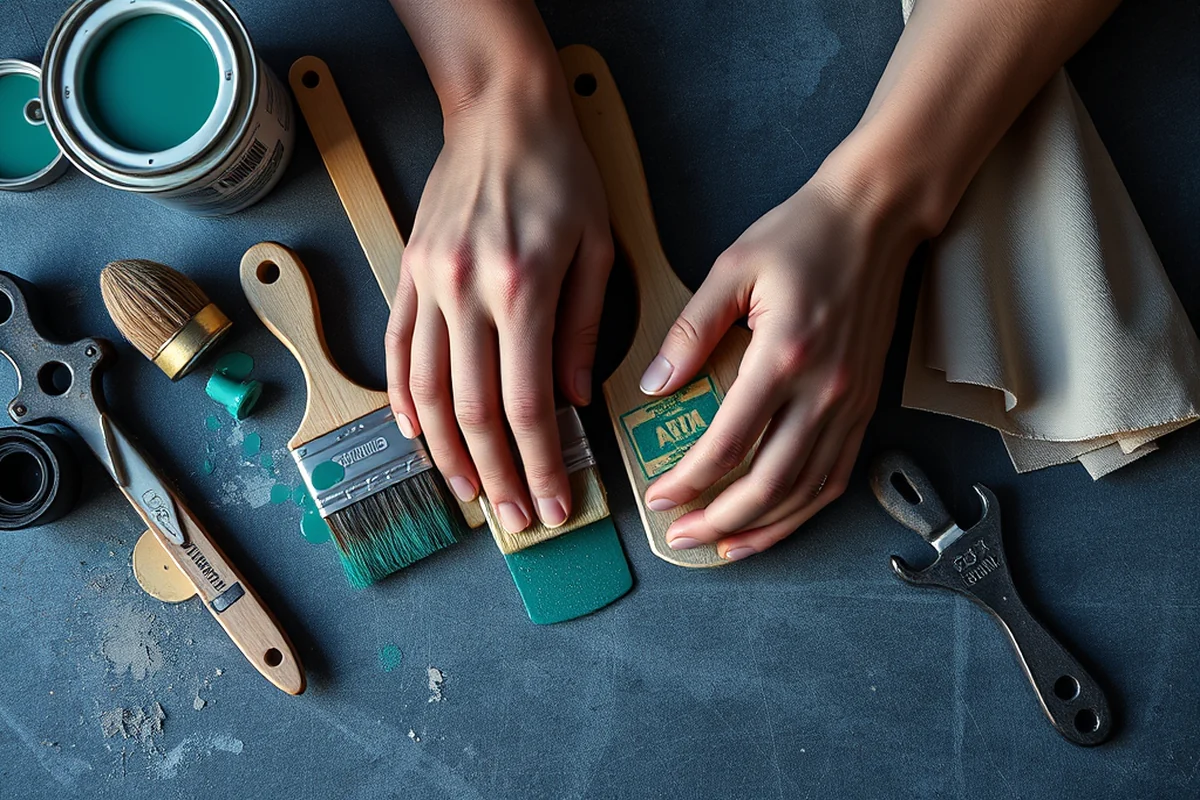
Once the concrete is poured and smoothed, the curing process begins. I cover the wall with a plastic sheet or use a curing compound to keep it moist and prevent rapid drying. The wall should be kept damp for at least 3-4 days, especially in the first 24 hours. This helps the concrete gain strength and avoid cracking.[3]
During curing, I avoid walking on or touching the wall unless absolutely necessary. Even a small amount of pressure can cause damage or unevenness in the surface. I've learned that patience is key — rushing the process can result in a weaker wall that's more prone to cracking over time.
After the wall has fully cured, I sand it down to remove any rough spots or uneven areas. I use a coarse grit sandpaper first and then move to a finer grit for a smoother finish. If I'm using a polished look, I apply a concrete sealer after sanding to protect the surface and enhance the color.
Customizing Your Concrete Wall for Different Spaces
In a kitchen, I've used a textured concrete backsplash with a matte finish, which is both practical and modern. I've also added a subtle color to match the cabinetry, creating a seamless transition between the wall and the countertops. In a living room, I've gone for a smooth, polished look with a deep charcoal color, which adds a sense of luxury and sophistication.
For a bedroom, I've used a softer, light gray concrete with a smooth, seamless texture. This creates a calm and neutral atmosphere, which is perfect for a space meant for relaxation. I've also used a matte sealer to make it easier to clean and maintain.
In a bathroom, I've applied a waterproof sealer and used a lighter tone to blend with the tiles and fixtures. This not only looks great but also ensures the wall is protected from moisture and humidity, which is essential in a high-moisture environment.
Creative Applications Beyond the Traditional Wall
I've used concrete to create custom tables, coffee tables, and even bookshelves. The process is similar to making a wall but requires more attention to the edges and corners for a smooth finish. I've also used concrete to build decorative planters and wall-mounted shelves, which add both function and style to a room.
For a more unique application, I've made a concrete headboard for my bedroom. It was a fun project that allowed me to experiment with different textures and colors. I embedded small pebbles into the surface for a rustic look, and it became a focal point in the room.
Another idea I've tried is using concrete to create a statement mirror frame. The process requires more precision, but the end result is a one-of-a-kind piece that adds a bold, modern edge to any space. I've found that using a template and careful pouring helps achieve the desired shape and finish.
Concrete is more than a wall — it's a canvas for your creativity.
Maintenance and Longevity of a Concrete Accent Wall
After the initial installation, I've found that maintenance is minimal but important. I clean the wall regularly with a mild soap and water to prevent dirt buildup. For more stubborn stains, I use a concrete cleaner specifically designed for the type of surface I've used.
If the wall is in a high-traffic area, I apply a protective sealer every few years to maintain its appearance and durability. The sealer helps prevent scratches and makes the surface easier to clean. I've used a water-based sealer that's easy to apply and doesn't yellow over time.
I've also noticed that concrete tends to show less wear than other materials, especially if it's been properly sealed. Even with regular use, the wall remains intact and retains its original look. This makes it a great investment for any room that sees a lot of activity.
💰 Budget Build
Use basic materials and simple techniques to create a functional concrete accent wall at a low cost.
⏰ Weekend Version
A quick and easy project that can be completed in one weekend with minimal effort and time.
✨ Upgraded Finish
Enhance the look of your concrete wall with professional-grade tools and advanced techniques for a polished result.
🏠 Small-Space Adaptation
Create a smaller, more focused concrete accent wall that works well in compact or narrow spaces.
🛡️ Rental-Safe Option
Design a removable or temporary concrete accent wall that can be taken down without damaging the existing structure.
| The mistake | Why it happens | The fix |
|---|---|---|
| Skipping the moisture barrier in damp areas | This can lead to moisture seeping into the wall, causing cracks or discoloration over time. | Always use a high-quality vapor barrier, especially in basements or areas with high humidity. |
| Pouring the concrete too quickly | This can lead to air pockets and an uneven surface that's more prone to cracking. | Take your time when pouring and smoothing the surface to ensure an even and consistent result. |
| Not allowing the concrete to cure properly | Rushing the curing process can result in a weaker wall that's more likely to crack or break over time. | Keep the wall covered and moist for at least 3-4 days to ensure proper curing and strength. |
| Using the wrong type of sealer | Using a sealer that's not compatible with your concrete type can cause the surface to become dull or damaged over time. | Choose a sealer that's specifically designed for the type of surface you've created and apply it according to the manufacturer's instructions. |
Concrete Accent Wall Ideas
Common Questions
Can I make a concrete wall without any prior experience?
What tools do I need to create a concrete accent wall?
How long does the curing process take?
Can I paint over my concrete wall after it's cured?
References
- Melrose II– Bronx, NY Affordable Housing (eere.energy.gov)
- MINIMUM REQUIREMENTS AND GUIDELINES FOR THE ... (doa.wi.gov)
- EROSION AND SEDIMENT CONTROL MANUAL - DC DOEE (doee.dc.gov)
Cite this guide
DIY Furniture with Concrete Accents (2026). Concrete Accent Wall Ideas. https://concreteshape.com/concrete-accent-wall-ideas/
Feel free to cite or share this guide.