
Foreign Accent Syndrome
📖 Table of Contents
- What is 'Foreign Accent Syndrome' in DIY?
- How to Prepare for the Project
- Mixing and Pouring Concrete: A Step-by-Step Guide
- Curing and Finishing Concrete
- Adding Personal Touches: Customizing Your Concrete Furniture
- Common Challenges and How to Overcome Them
- The Rewards of Working with Concrete
- Make It Your Way
- Frequently Asked Questions
I remember the first time I tried to build a side table with a concrete top. I had read about the beauty and durability of concrete accents in furniture, but nothing prepared me for the reality of the process. I had all the tools, the materials, and the plan — and yet, I found myself struggling with the mix ratios, the pour times, and the waiting periods. It was during this process that I began to understand what people refer to as 'foreign accent syndrome' — not in the linguistic sense. In the way that new techniques and materials can feel alien, requiring a complete shift in mindset and skill set.
As a DIY enthusiast with a deep love for furniture, I've been on both sides of this experience. There were times when I felt like a complete novice, fumbling through the steps and questioning my own abilities. Other times, I had the confidence of someone who had mastered the craft. The difference, I realized, wasn't just in the materials or the tools, but in the approach — and that's where 'foreign accent syndrome' in the DIY world comes in. It's the feeling of stepping into a new method, a new medium, and trying to make it your own, even when it feels completely unfamiliar.
Through trial and error, I've learned that embracing 'foreign accent syndrome' isn't just about overcoming the challenge — it's about finding a new way to express creativity and craftsmanship. Whether you're working with concrete, wood, metal, or any other material, there's always a learning curve. The key is to lean into that discomfort, to see it as an opportunity for growth, and to build something that's not just functional, but also deeply personal. This article is about how to navigate that journey and come out the other side with a beautiful, well-crafted piece of furniture.[1]
Why You'll Love This DIY Approach
- Concrete accents add a modern, unique touch to any furniture piece.
- The process is rewarding and allows for creative expression.
- With the right approach, even beginners can achieve professional results.
- The versatility of concrete makes it suitable for a wide range of DIY projects.
What is 'Foreign Accent Syndrome' in DIY?
As of October 2026, in the world of DIY and furniture, 'foreign accent syndrome' refers to the initial discomfort and unfamiliarity that comes with working with new materials or techniques. Concrete is a prime example — it's not like wood or metal, and it requires a different mindset, a different set of skills, and a lot of patience. I remember the first time I mixed concrete myself, I was overwhelmed by the sheer number of steps and the precision required.
There's a learning curve with every new material, and that's where the 'syndrome' kicks in. You're trying to make something that feels foreign to you, and it can be intimidating. But with the right approach and mindset, you can overcome that and create something truly unique. It's all about finding the right balance between learning and doing, between following instructions and expressing your own style.
I've since learned that 'foreign accent syndrome' is not a sign of failure — it's a sign that you're challenging yourself. It's the first step in the journey to mastering a new skill, and it's a step that many DIYers take, regardless of their experience level. With time and practice, that discomfort fades, and you're left with a beautiful, well-crafted piece that you can be proud of.
Begin with a small project to get the feel of working with concrete. A small table base or a decorative planter is a great first step.
Part of our French accents guide.
How to Prepare for the Project
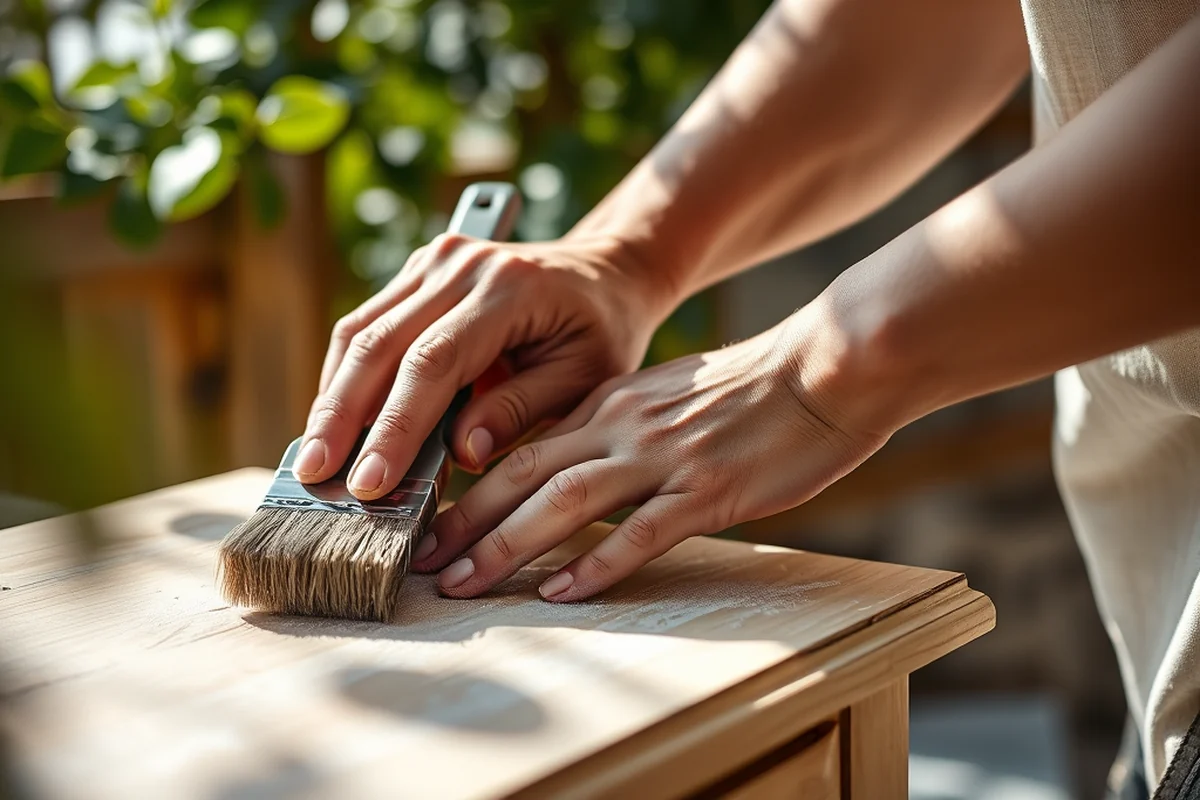
Preparation is key with working with concrete in DIY projects. The first step is to gather all the necessary materials — concrete mix, mixing containers, a trowel, a mold, and any reinforcement materials like wire mesh or rebar. I found that having everything laid out in advance made the process much more efficient and less stressful.
Next, you'll need a suitable workspace. A garage or a large room with good ventilation is ideal. I learned this the hard way — working in a small, enclosed space can lead to a mess and make it difficult to move around. It's also important to protect your floor and work surfaces with plastic sheeting or old newspapers to prevent damage.
Finally, make sure you have all the tools you'll need. A trowel, a float. A sponge are essential, but don't underestimate the importance of a good set of safety gear — gloves, a mask, and eye protection are all necessary to protect yourself from the concrete dust and splatter.
A little preparation goes a long way in DIY projects.
Related: The in american accent
Mixing and Pouring Concrete: A Step-by-Step Guide
The mixing and pouring of concrete is a critical part of the process, and it's where many DIYers go wrong. I learned this the hard way after my first attempt, which resulted in a lumpy, uneven surface. The key is to mix the concrete properly — following the manufacturer's instructions to the letter.
I now use a simple 1:2:3 ratio — one part cement, two parts sand, and three parts aggregate — but the exact ratio can vary depending on the type of concrete you're using. It's also important to add the right amount of water — too much and the concrete will be weak, too little and it will be difficult to work with.
Once the mix is ready, it's time to pour it into the mold. I found that using a float to smooth the surface and remove any air bubbles helps to achieve a more even finish. It's also important to pour the concrete slowly and evenly to prevent any air pockets from forming.
Using a drill with a mixing attachment ensures a smooth, consistent concrete mix every time.
“I remember the first time I tried to build a side table with a concrete top.”— DIY Furniture with Concrete Accents editors
Related: How to make accents on keyboard chromebook
Curing and Finishing Concrete

After pouring the concrete, the next step is to let it cure. I learned that this is a critical step — rushing it can lead to a weak, brittle surface. I now let the concrete cure for at least 24 hours before moving it, and I keep it in a cool, dry place away from direct sunlight.[2]
Curing is the process of allowing the concrete to harden and gain strength over time. I've found that using a curing compound or covering the concrete with a plastic sheet helps to retain moisture and speed up the process. It's also important to keep the concrete out of direct sunlight and avoid any vibration or movement during the curing period.
Once the concrete has fully cured, the final step is to finish it. I use a trowel to smooth the surface and remove any imperfections. I also apply a sealer to protect the concrete and give it a glossy finish. This not only makes it more durable but also enhances its appearance.
Related: How to make french accents on mac keyboard
Adding Personal Touches: Customizing Your Concrete Furniture
One of the best things about working with concrete is the ability to customize your furniture with colors, textures, and unique designs. I've experimented with adding pigments to the concrete mix to create a range of colors, from deep blues to rich reds. I've also tried adding different textures by mixing in crushed glass or aggregates to create a more interesting surface.
Another way to personalize your concrete furniture is to add unique patterns or designs. I've used stamps and molds to create intricate patterns on the surface of my concrete pieces. I've also tried using stencils to create more detailed designs. It's a great way to make your furniture stand out and reflect your personal style.
I've found that the possibilities are endless with customizing concrete furniture. Whether you're looking for a bold statement piece or a more subtle, understated design, there's a way to make it your own. It's all about experimenting and finding what works best for you.
Related: How to make french accents on keyboard
Common Challenges and How to Overcome Them
Working with concrete can be challenging, especially for beginners. One of the most common challenges I've faced is the difficulty in achieving a smooth, even surface. I've found that patience and practice are key — the more you work with concrete, the better you'll get at it.
Another common challenge is the time it takes for the concrete to cure. I've learned that rushing the process can lead to a weak, brittle surface. It's important to let the concrete cure fully before moving it. I now use a curing compound and keep the concrete in a cool, dry place to ensure it cures properly.
Finally, I've found that working with concrete requires a lot of preparation and planning. It's easy to get overwhelmed by the steps involved, but with the right approach, it's possible to create a beautiful, well-crafted piece of furniture. The key is to take it one step at a time and not be afraid to ask for help if needed.
Every challenge is an opportunity to learn and grow.
Related: How to make a with accent on keyboard
The Rewards of Working with Concrete
Despite the challenges, working with concrete is incredibly rewarding. I've found that the process of creating something from scratch, of seeing a raw material transform into a beautiful, functional piece of furniture, is incredibly satisfying. There's a sense of accomplishment that comes with it that's hard to beat.
I've also found that working with concrete allows for a lot of creative expression. I've experimented with different colors, textures, and designs, and each project has been a unique experience. It's a way to express my personal style and create something that's truly my own.
Finally, I've found that the results are worth the effort. The durability and strength of concrete make it an excellent material for furniture, and the finished product is something I can be proud of. It's a way to create something that's not only functional but also beautiful.
💰 Budget Build
Create a simple, cost-effective concrete table with minimal tools and materials.
⏰ Weekend Version
A quick and easy concrete project that can be completed in one day.
✨ Upgraded Finish
Add a polished, professional look with advanced finishing techniques and materials.
🛋️ Small-Space Adaptation
Design a compact, space-saving concrete furniture piece perfect for small homes.
🏠 Rental-Safe Option
Build a temporary, removable concrete furniture piece that won't damage your rental property.
| The mistake | Why it happens | The fix |
|---|---|---|
| Overmixing the concrete | Overmixing can lead to a weak, brittle surface that doesn't hold up well. | Mix the concrete just until it's smooth and consistent. Avoid overworking it. |
| Using the wrong water-to-cement ratio | Using too much water can weaken the concrete, while too little can make it difficult to work with. | Follow the manufacturer's instructions for the correct water-to-cement ratio. |
| Pouring the concrete too quickly | Pouring the concrete too quickly can lead to air pockets and an uneven surface. | Pour the concrete slowly and evenly, using a float to smooth the surface as you go. |
| Not allowing the concrete to cure properly | Rushing the curing process can result in a weak, brittle surface that breaks easily. | Allow the concrete to cure in a cool, dry place away from direct sunlight for at least 24 hours. |
Foreign Accent Syndrome
Common Questions
How long does it take for concrete to cure fully?
Can I use colored concrete for my project?
What tools do I need for a beginner-level concrete project?
How can I make my concrete surface smooth?
References
- Nuestra Cultura Cura Social Innovation Lab - Sonoma County (sonomacounty.gov)
- The boy who spoke . . . Young muggle awakes from brain surgery ... (blogs.illinois.edu)
Cite this guide
DIY Furniture with Concrete Accents (2026). Foreign Accent Syndrome. https://concreteshape.com/foreign-accent-syndrome/
Feel free to cite or share this guide.