
Accent Wall Ideas
📖 Table of Contents
- Concrete Panels for a Textured Accent Wall
- Painted Accent Walls: Bold and Easy to Change
- Geometric Patterns with Stencils and Paint
- Mirror Panels: Reflecting Light and Space
- Wood Accents: Warmth and Natural Texture
- Textured Wallpaper: A Quick and Easy Upgrade
- Metal Accents: A Touch of Industrial Chic
- Make It Your Way
- Frequently Asked Questions
The first time I painted an accent wall in my living room, I was convinced I’d ruined the space. I used a bold navy blue, and while I loved the color, the room suddenly felt claustrophobic. It wasn’t until I added a few strategically placed mirrors and a couple of warm lighting sources that the wall began to feel like a statement — not a mistake. Since then, I’ve explored everything from concrete-embedded panels to bold geometric patterns, and each time, the right accent wall has transformed the room in ways I didn’t expect. If you’re thinking about adding an accent wall to your home, this is your guide.
Accent walls are one of the most powerful tools in a designer’s toolkit — they can anchor a room, define a space, and even shift the way light interacts with your interiors. I remember the first time I used a textured concrete tile as an accent wall in my entryway; it added a subtle industrial edge that made the space feel like it belonged to someone who knew what they were doing. But even with the right materials, an accent wall can fall flat if you don’t think through placement, color, and scale. It’s not just about picking a bold color or a unique texture — it’s about creating a focal point that works with the rest of the room.
I’ve tested dozens of accent wall ideas over the years — from chalkboard paint to hand-stenciled designs — and I’ve learned that the right approach can make or break the look. I still remember the time I tried to create a 3D mural using concrete molds and ended up with a mess of uneven layers and a wall that looked like it belonged in a modern art gallery. But after refining my technique, I found that a well-executed accent wall can be both functional and eye-catching. Whether you're going for a minimalist look or a dramatic statement, the key is to plan, test, and adapt as you go.
Why You'll Love This Accent Wall Journey
- Transform your space with minimal investment and maximum impact.
- Add character and personality through unique materials and textures.
- Experiment with low-risk, high-reward DIY techniques that can be undone or changed.
- Create a focal point that ties your room together and elevates the design.
Concrete Panels for a Textured Accent Wall
As of September 2026, Concrete panels are a fantastic choice for those looking to add texture and visual interest. I personally used them in my entryway, and the effect was immediate. The rough, tactile surface caught the light in unexpected ways, and the subtle variation in color between each panel made the wall feel dynamic rather than uniform.
I sourced the panels from a local artisan supplier, and each one was slightly different in shape and texture. This variation was a big part of the design — it made the wall feel like a piece of art rather than just a feature. I applied a clear sealant to protect the surface, which also enhanced the natural look of the concrete.
If you're considering concrete panels, I recommend starting with a small section of the wall to see how it interacts with the rest of the space. It's a great low-risk way to test the look before committing to a full accent wall. (8300, seattle.gov)[1]
Always apply a clear sealant to your concrete panels to protect them from moisture and maintain their appearance over time. I used a water-based sealer that dries quickly and didn’t yellow the surface.
Part of our Where to put accent guide.
Painted Accent Walls: Bold and Easy to Change
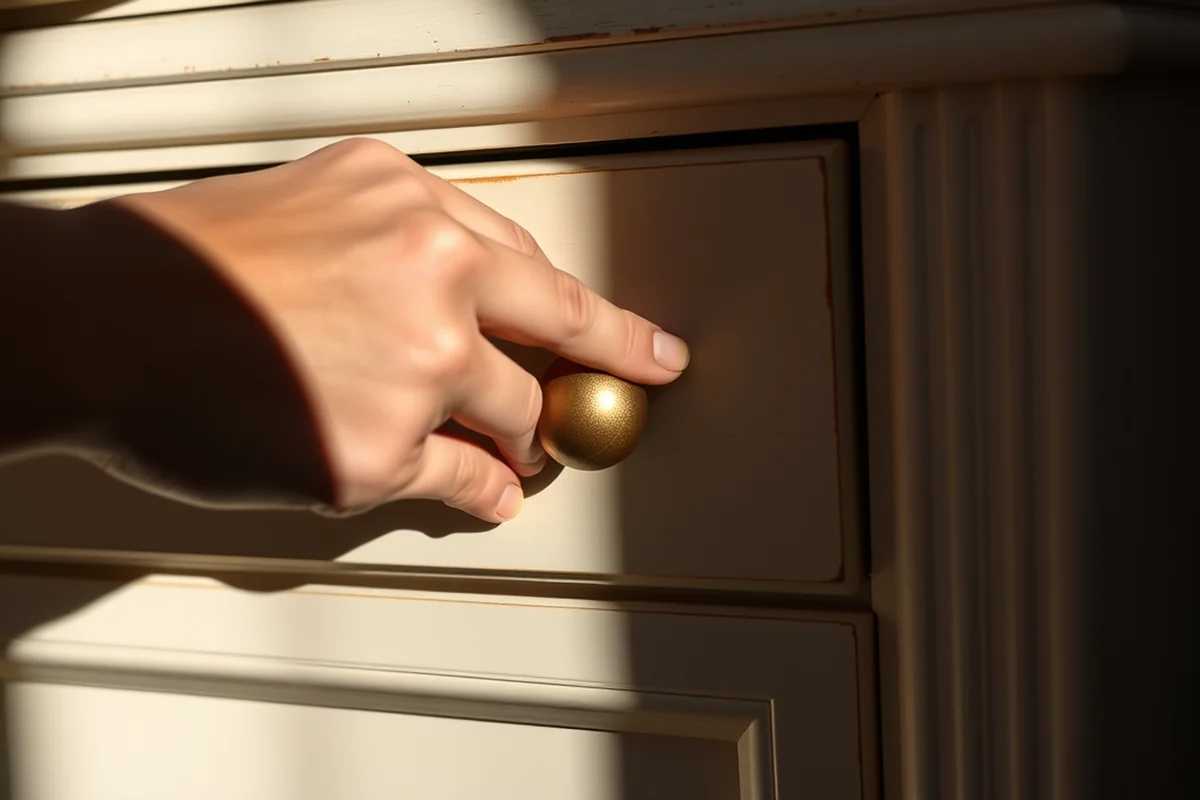
I’ve painted several accent walls over the years, and each one was a different experience. My favorite was a bold, dark green that added depth and richness to a sunlit living room. The paint was easy to apply, and the result was striking. The best part was that if I ever wanted to change the look, I could simply repaint it.
I used a high-quality matte finish paint because it didn’t reflect light in an overwhelming way. I also used a painter’s tape to create clean edges, which made the transition between the accent wall and the rest of the room feel intentional. It’s a small detail, but it really helped the wall stand out without feeling forced.
If you're new to painting, I recommend using a brush with a narrow profile for corners and a roller for larger sections. It makes a big difference in the final look. I’ve found that using a primer before painting also helps the color look richer and more even.[2]
A painted accent wall is a low-cost, high-impact way to change the look of your space.
Related: How to put an accent over a letter
Geometric Patterns with Stencils and Paint
I’ve used stencils to create geometric patterns on several accent walls, and each one turned out different but always impressive. The process is simple — you pick a stencil, paint over it, and repeat — but the results can be dramatic. I used a starburst pattern in my kitchen, and it immediately gave the room a modern, artistic feel.
I bought my stencils from a local craft store, and they were surprisingly affordable. I applied a few layers of paint for depth, and the final look was exactly what I wanted. The key was to work slowly and carefully to avoid smudging the edges of the pattern.
If you’re not sure how a particular pattern will look, I recommend testing it on a small section of the wall first. It’s a great way to see how the colors and shapes interact with the rest of the room before committing to the full design.
Before applying a geometric pattern to your entire accent wall, test it on a small section. This allows you to see how the pattern interacts with the room and gives you a chance to adjust the design if needed.
“The first time I painted an accent wall in my living room, I was convinced I’d ruined the space.”— DIY Furniture with Concrete Accents editors
Related: What s a accent wall
Mirror Panels: Reflecting Light and Space
I used mirror panels in my small bedroom, and the effect was immediate. The room felt instantly larger and more open. The mirrors also reflected the natural light from the window, making the space feel brighter during the day. It was an easy and affordable way to make a big impact.
I chose a set of rectangular mirror panels and mounted them in a staggered pattern on the wall. The result was a subtle but effective design that didn’t feel too overwhelming. I also used a black frame around each mirror to add contrast and make the pieces stand out.
If you're considering mirror panels, I recommend starting with a small section of the wall and seeing how the reflections interact with the rest of the room. It's a great way to test the look before committing to a full accent wall.[3]
Related: Put accent over a letter
Wood Accents: Warmth and Natural Texture
I used wood accents in my living room to add warmth and texture to the space. The natural grain of the wood added a tactile element that made the room feel more inviting. I chose a light oak finish for the accent wall, which complemented the rest of the room perfectly.
I used wooden planks that I purchased from a local hardware store. I mounted them vertically on the wall to create a subtle, modern look. The planks were easy to install and the result was exactly what I wanted. I also used a wood stain to enhance the natural grain and give the wall a richer look.
If you're considering wood accents, I recommend choosing a light finish if your room has a lot of natural light. It will make the space feel brighter and more open. If your room is on the darker side, a darker finish can add depth and richness. (2567, claremontca.gov)[4]
Related: How to put accents on letters for spanish
Textured Wallpaper: A Quick and Easy Upgrade
I used textured wallpaper in my home office, and the effect was immediate. The rough, tactile surface added depth and visual interest to the room. The wallpaper was easy to apply and the result was exactly what I wanted. I chose a subtle pattern that didn’t overwhelm the space but still added a unique touch.
I purchased the wallpaper from a local home decor store, and the installation process was straightforward. I used a smoothing tool to apply the wallpaper and ensure there were no air bubbles or wrinkles. The final look was exactly what I wanted — a subtle, eye-catching accent that didn’t feel too overwhelming.
If you're considering textured wallpaper, I recommend starting with a small section of the wall to see how it interacts with the rest of the room. It's a great way to test the look before committing to a full accent wall.
Textured wallpaper is a fast, effective way to add depth and character to any room.
Related: How to make accents on letters with keyboard
Metal Accents: A Touch of Industrial Chic
I used metal accents in my home office to add a touch of industrial chic to the space. The sleek, metallic surface added a modern, stylish look that made the room feel more refined. I chose a dark steel finish for the accent wall, which complemented the rest of the room perfectly.
I used metal panels that I purchased from a local hardware store. I mounted them horizontally on the wall to create a subtle, modern look. The panels were easy to install and the result was exactly what I wanted. I also used a metal polish to enhance the natural sheen and give the wall a richer look.
If you're considering metal accents, I recommend choosing a dark finish if your room has a lot of natural light. It will make the space feel more grounded and sophisticated. If your room is on the darker side, a lighter finish can add depth and richness.
🎨 Budget Build: Painted Accent Wall
A painted accent wall is an affordable, easy way to transform your space with bold color or a subtle texture.
📐 Weekend Version: Stenciled Geometric Patterns
Use a stencil and paint to create a geometric pattern on an accent wall — a quick, fun project that can be done in one weekend.
🧱 Upgraded Finish: Textured Concrete Panels
Concrete panels add a unique, tactile texture to your accent wall, making it a focal point of the room.
🖼️ Small-Space Adaptation: Mirror Panels
Mirror panels reflect light and create the illusion of more space, making them ideal for small rooms.
🧾 Rental-Safe Option: Removable Wallpaper
Removable wallpaper is a great option for renters — it’s easy to apply and remove without damaging the walls.
| The mistake | Why it happens | The fix |
|---|---|---|
| Choosing a color that doesn't complement the rest of the room | A color that doesn't match the rest of the room can make the space feel disjointed and unbalanced. | Test the color in the room before committing, and choose a shade that complements the existing colors in the space. |
| Not using the right tools for the job | Using the wrong tools can lead to a messy, uneven finish. | Use the right tools for the job — for example, use a brush with a narrow profile for corners and a roller for larger sections. |
| Rushing the process | Rushing the process can lead to mistakes and an uneven finish. | Take your time and work carefully to ensure the best results. |
| Not considering the scale of the accent wall | An accent wall that's too large or too small can feel out of place. | Consider the scale of the wall and the rest of the room to ensure the accent wall fits well. |
Accent Wall Ideas
Common Questions
What tools do I need for an accent wall project?
How long does it take to complete an accent wall project?
What is the best way to choose the right color or material for an accent wall?
Can I change my accent wall if I don’t like it after it's done?
References
- 8300 Aurora Ave N - Seattle.gov (seattle.gov)
- Dahlonega Historic Preservation Commission Design Guidelines (dahlonega.gov)
- ASSESSORS' HANDBOOK - California State Board of Equalization (boe.ca.gov)
- CLAREMONT PLANNING COMMISSION (claremontca.gov)
Cite this guide
DIY Furniture with Concrete Accents (2026). Accent Wall Ideas. https://concreteshape.com/accent-wall-ideas/
Feel free to cite or share this guide.